



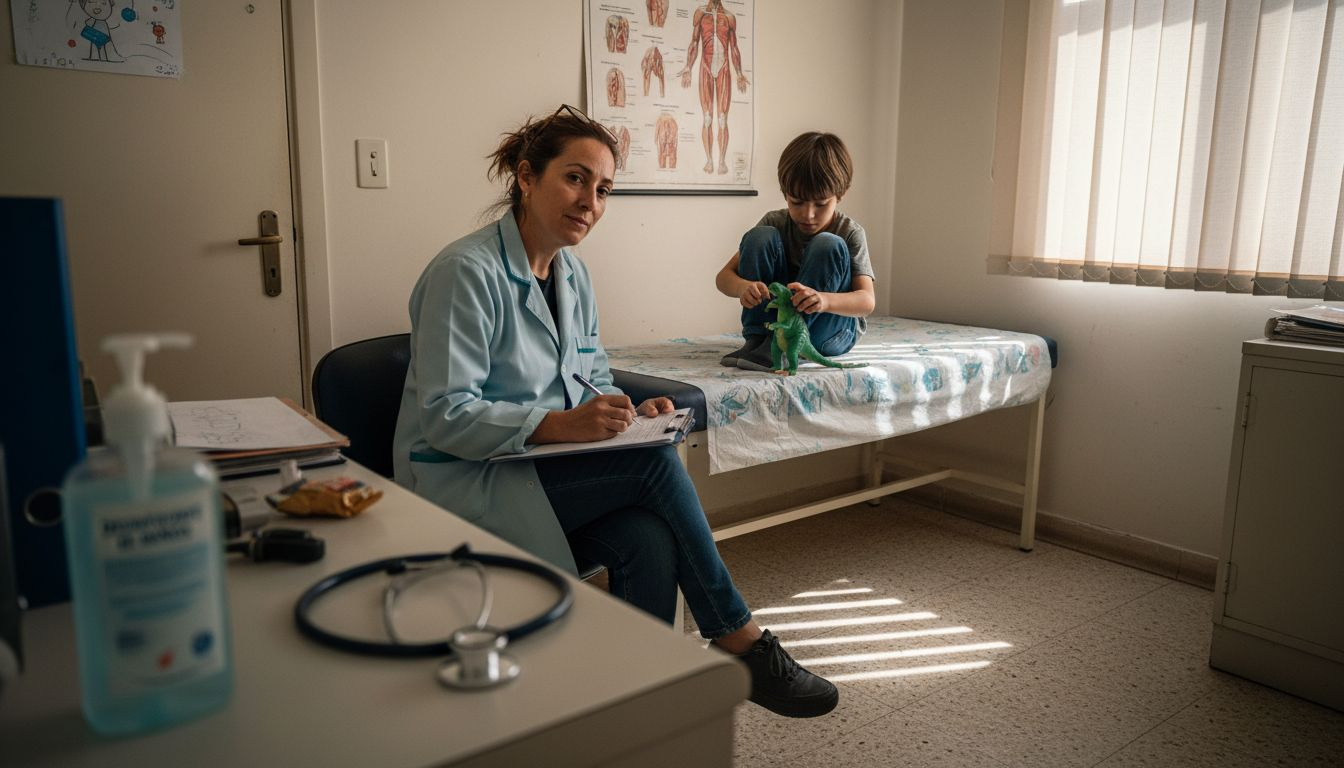
More than 15 percent of children in Spain require some type of chronic pediatric follow-up. This figure reveals the magnitude of a process that not only addresses illnesses but also makes a difference in overall child development. Understanding how clear clinical documentation and the use of innovative digital tools can transform pediatric care is key for both healthcare professionals and families facing these challenges every day.
Table of Contents
- Chronic pediatric follow-up implies
- Main chronic diseases in the child population
- Preparation and Structure of Accurate Clinical Notes
- Use of Digital Tools in Pediatric Documentation
- Ethical and legal challenges in clinical monitoring
Summary of Key Points
| Point | Details |
|---|---|
| Multidisciplinary Follow-up | Chronic pediatric follow-up requires a multidisciplinary approach to monitor the child's comprehensive development. This includes physical, neurological, emotional, and social aspects. |
| Importance of Documentation | Accurate clinical documentation is fundamental for effective communication between professionals and families, ensuring patient development follow-up. |
| Integrated Approach to Chronic Diseases | The management of chronic diseases in childhood should be comprehensive, considering not only medical treatment, but also emotional and social support. |
| Ethical and Legal Challenges | Pediatric clinical follow-up presents significant ethical challenges, including confidentiality and informed consent, which must be carefully addressed. |
Chronic pediatric follow-up implies
Chronic pediatric follow-up is a complex and fundamental process that goes beyond traditional medical consultations. It involves systematic and continuous monitoring of the child's overall development, considering not only their physical aspects but also their neurological, emotional, and social evolution. Healthcare professionals must carry out detailed follow-up to identify any deviations or potential problems in child development early on.
This follow-up requires a multidisciplinary approach where pediatricians maintain records precise and structured of each stage of growth. Clinical documentation plays a critical role, allowing generate clearer and safer patient summaries that facilitate communication between professionals and families. The medical record thus becomes a dynamic tool that captures the developmental trajectory of the pediatric patient.
The fundamental components of chronic monitoring include periodic assessments that encompass:
- Control of physical growth
- Psychomotor development
- Neurological assessment
- Nutritional evaluation
- Vaccination follow-up
- Early detection of genetic or congenital conditions
The importance lies in being able to intervene early at any warning sign, minimizing potential impacts on the overall development of the child. Each record, each measurement, each clinical observation becomes a fundamental piece to understand the unique trajectory of each pediatric patient.
Professional adviceEstablish a digital registration system that allows you to integrate information in an efficient and traceable manner, enabling a holistic view of child development with maximum security and accuracy.
Main chronic diseases in the child population
Chronic diseases in children represent a complex challenge for health systems, requiring a comprehensive and multidisciplinary approach. Among the main pathologies are those that have a significant impact on the development and quality of life of the child, demanding medical answers with accurate references and sources for its proper handling.
Some of the most frequent chronic diseases in the pediatric population include:
- AsthmaRespiratory disease affecting the respiratory tract.
- Type 1 diabetesMetabolic disorder requiring permanent control
- EpilepsyNeurological condition with convulsive manifestations.
- Cystic fibrosisGenetic disease affecting multiple systems
- Juvenile arthritisInflammatory joint disease
- Congenital heart diseaseCardiac malformations present from birth
Each of these diseases involves exhaustive medical follow-up, with regular check-ups, specific treatments, and comprehensive support that considers not only the medical aspects but also the emotional and social impact on the pediatric patient. The main objective is to minimize the impact of the disease, preserve the best possible quality of life, and allow for the most normalized development possible.
Below is a table comparing the clinical and social impact of the main chronic diseases in pediatrics:
| Disease | Outstanding clinical impact | Social and emotional impact |
|---|---|---|
| Asthma | Recurrent respiratory crises | Limitation on Physical Exercise |
| Type 1 diabetes | Daily insulin dependence | Family stress from glycemic control |
| Epilepsy | Risk of unpredictable seizures | Anxiety and school stigma |
| Cystic fibrosis | Frequent lung infections | Requires prolonged psychosocial support |
| Juvenile arthritis | Chronic joint pain and stiffness | Social integration difficulties |
| Congenital heart disease | Fatigue and low physical performance | Need for specialized follow-up |
The management of these chronic diseases requires a personalized strategy, considering the individuality of each patient, their family environment, and their specific characteristics. Fluid communication between the medical team, the patient, and their family is fundamental to ensure effective intervention and adequate follow-up.

Professional adviceDevelop individualized follow-up protocols that address not only the medical aspect, but also psychological and social support for each pediatric patient with chronic disease.
Preparation and Structure of Accurate Clinical Notes
The preparation of accurate clinical notes is a fundamental element in pediatric medical practice, representing much more than a simple administrative record. These notes are critical instruments of professional communication that document the patient's evolution, support clinical decisions and ensure continuity of care. Customized note templates they become essential tools for structuring this information systematically and efficiently.
The structure of an accurate pediatric clinical note should include several fundamental elements:
- Patient identificationComplete personal data
- Reason for consultationSpecific reason for visit
- Medical historyRelevant past medical history
- Physical examinationObjective findings of the examination
- Diagnostic impressionInitial professional assessment
- Treatment planProposed interventions and follow-up
Each section requires a level of detail and accuracy that allows for a comprehensive reconstruction of the clinical encounter. The documentation must not only be accurate, but also understandable to other professionals who will potentially follow up on the case. Clarity, objectivity and conciseness are fundamental principles in the preparation of these notes.

Contemporary challenges demand a dynamic approach to clinical documentation. New patient visit note types reflect the need to adapt records to the increasing complexity of pediatric care, allowing for more flexible and contextualized documentation that captures the uniqueness of each medical encounter.
Professional adviceDevelop a standardized yet flexible template that allows for systematic documentation of each inquiry, ensuring the inclusion of all critical elements without sacrificing the ability to customize according to the uniqueness of each pediatric case.
Use of Digital Tools in Pediatric Documentation
Digital transformation has revolutionized medical documentation, especially in the pediatric setting, where accuracy and speed are critical. Contemporary digital tools enable healthcare professionals to manage clinical information in a more efficient, secure and structured manner. The generation of medical documents using artificial intelligence represents a qualitative leap in the way child health information is recorded and processed.
The benefits of digital tools in pediatric documentation are numerous:
- Centralized digital registryComplete and accessible medical history
- Error reductionLess likelihood of inaccuracies in the records
- TraceabilityDetailed follow-up of the patient's evolution
- InteroperabilityCompatibility between different healthcare systems
- Remote access: Consultation of information from any device
- Data securityProtection of sensitive patient information
The implementation of digital systems not only optimizes administrative management but also fundamentally transforms clinical practice. It allows professionals to dedicate more time to the patient, reducing the traditional bureaucratic burden and improving the quality of care. Digital documentation facilitates communication between specialists, allows for more precise treatment monitoring, and contributes to more comprehensive and personalized pediatric care.
The following table summarizes key advantages of digital tools in pediatric documentation:
| Main advantage | Benefit to the pediatrician | Practical example |
|---|---|---|
| Centralization of information | Quick access to the complete history | Background Check |
| Interoperability | Efficient communication between specialists | Data sharing between hospitals |
| Data security | Protection against unauthorized access | Encrypted and backed-up history |
| Time optimization | Reduction of repetitive administrative tasks | More time dedicated to the patient |
The future of pediatric documentation is heading towards increasingly intelligent systems that not only record information but are also capable of generating insights, predicting trends, and proactively supporting clinical decision-making.
Professional adviceContinuously train yourself in digital tools, critically evaluating each new technology to ensure it genuinely improves your clinical practice and doesn't become an additional burden.
Ethical and legal challenges in clinical monitoring
Pediatric clinical follow-up represents a complex terrain where multiple ethical and legal considerations converge, requiring a highly sensitive and professional approach. Protecting the minor's rights, the confidentiality of their information, and informed consent are configured as fundamental pillars in this delicate process. Medical responses with precise references become a crucial instrument for ensuring transparency and integrity in clinical documentation.
The main ethical and legal challenges include:
- ConfidentialityAbsolute protection of the patient's personal data
- Informed consentConscious participation of parents or legal guardians
- Minor's autonomyRespect for decision-making capacity according to its development
- Privacy of information: Access control to medical records
- Limits of legal representationScope of the decisions of the representatives
- Intervention DocumentationTransparent record of procedures
Every clinical intervention must meticulously balance patient well-being with current regulatory aspects. Documentation should not only be accurate but also respectful of the fundamental rights of the child. Professionals are called to develop a practice that combines scientific rigor, ethical sensitivity, and legal compliance, always considering the best interests of the minor.
The legal framework demands documentation that is simultaneously exhaustive and protective, where each clinical record serves as a professional testament that guarantees traceability of interventions, but also safeguards the privacy and dignity of the pediatric patient. Technological evolution presents new scenarios that require constant updating of ethical principles and regulatory frameworks.
Professional adviceDevelop an internal protocol for ethical information management that exceeds minimum legal requirements, focusing on the comprehensive protection of pediatric patient rights.
Optimize pediatric follow-up with Itaca and transform your clinical notes
The article clearly highlights the importance of developing accurate and secure clinical notes for effective pediatric follow-up. We know that one of the main challenges faced by healthcare professionals is to manage detailed documentation that ensures clarity, traceability and facilitates communication with the multidisciplinary team, without increasing the administrative burden. In addition, the ethical and legal management of pediatric information requires reliable tools that respect confidentiality and help maintain comprehensive records without wasting valuable patient time.
In Itaca, we understand these needs and offer solutions designed for professionals like you. Our platform automates the creation of well-structured and secure clinical notes, integrating concepts such as customizable templates and multidisciplinary digital tracking. Furthermore, with features like automated patient summary generation and quick access to reliable information, you can reduce administrative time and focus on what truly matters: patient care.
Revolutionize how you document with the most advanced tools available. Discover how the New Features in Itaca can boost your pediatric practice and consult specialized guides to improve your protocols in Ithaca Guides.

Make the decision today to improve the quality of your clinical notes and the efficiency of pediatric follow-up. Visit Itaca and take the first step towards clearer, faster and more secure documentation that strengthens your daily work.
FAQ
Clinical notes are important in pediatric follow-up because they provide a comprehensive record of the child's health history, including medical conditions, treatments, allergies, vaccinations, and developmental milestones. This information is crucial for: * **Continuity of Care:** Ensuring that all healthcare providers involved in the child's care have access to accurate and up-to-date information. * **Accurate Diagnosis and Treatment:** Helping physicians identify patterns, track the progression of conditions, and make informed decisions about appropriate interventions. * **Preventive Care:** Monitoring vaccination schedules, screening for developmental delays, and identifying potential risks for future health problems. * **Communication:** Facilitating effective communication between different specialists, primary care physicians, and parents. * **Legal and Administrative Purposes:** Serving as a legal document for medical records and insurance purposes. * **Research and Education:** Contributing to the understanding of childhood diseases and treatment outcomes.
Clinical notes are fundamental for documenting patient progress, facilitating communication among healthcare professionals, and ensuring continuity of medical care.
What elements should be included in a pediatric clinical note?
A clinical note should include patient identification, reason for consultation, medical history, physical examination, diagnostic impression and treatment plan.
How can accuracy be improved in pediatric clinical documentation?
Establishing standardized templates, using digital tools, and maintaining continuous training can improve accuracy and efficiency in clinical documentation.
What are the benefits of using digital tools in clinical notes?
Digital tools allow for centralized record-keeping, reduce errors, facilitate remote access, and improve patient data security.

Leave a Reply