


Guides
-
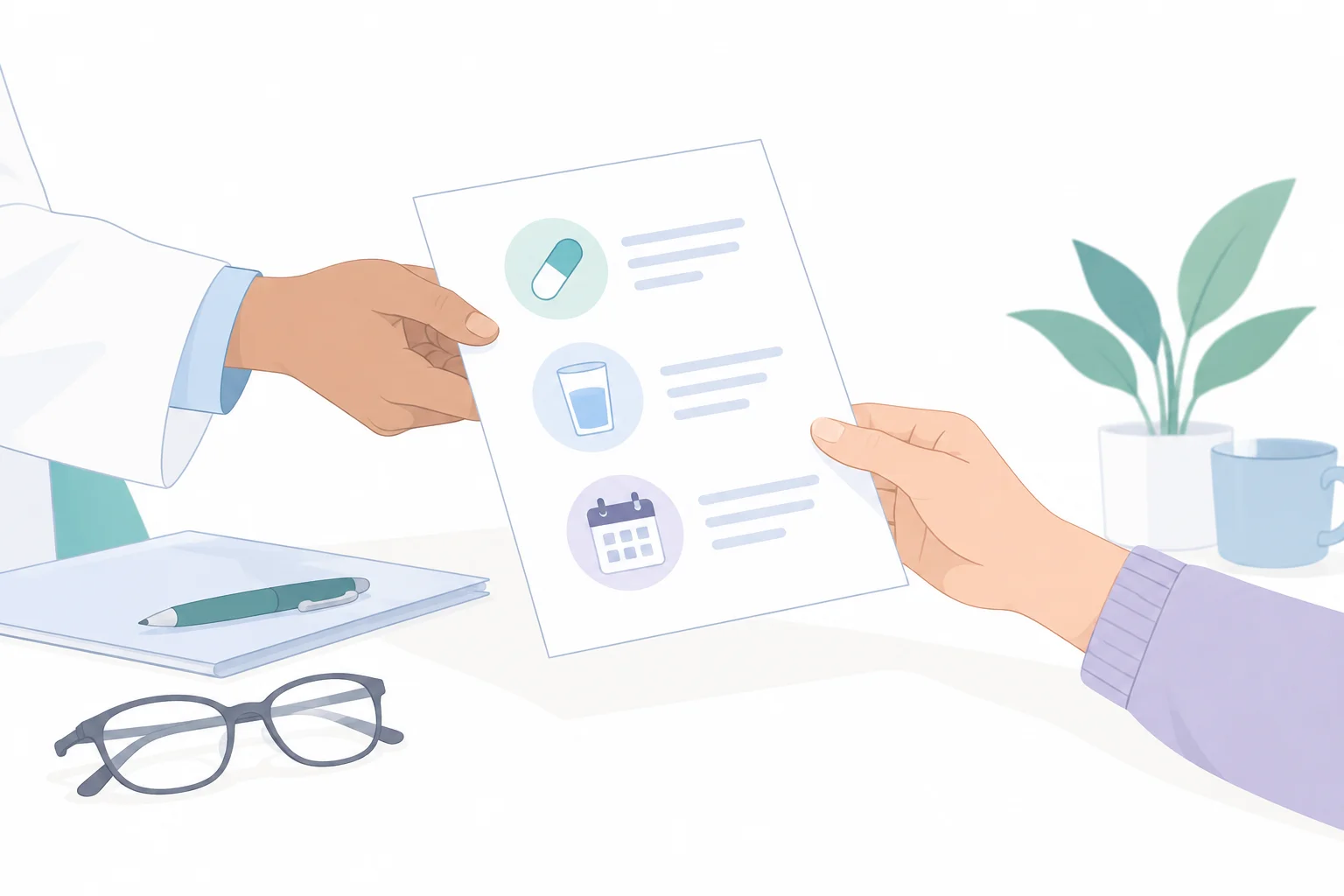
How to write patient instructions that are easy to follow
.
Organize the instructions into easy-to-follow actions and review their explanation without adding decisions that were not part of the consultation.
-


How to prepare a bibliographic session with AI without losing the sources
.
From the question to the discussion: save searches, select readings, and prepare article summaries with references that your team can review.
-
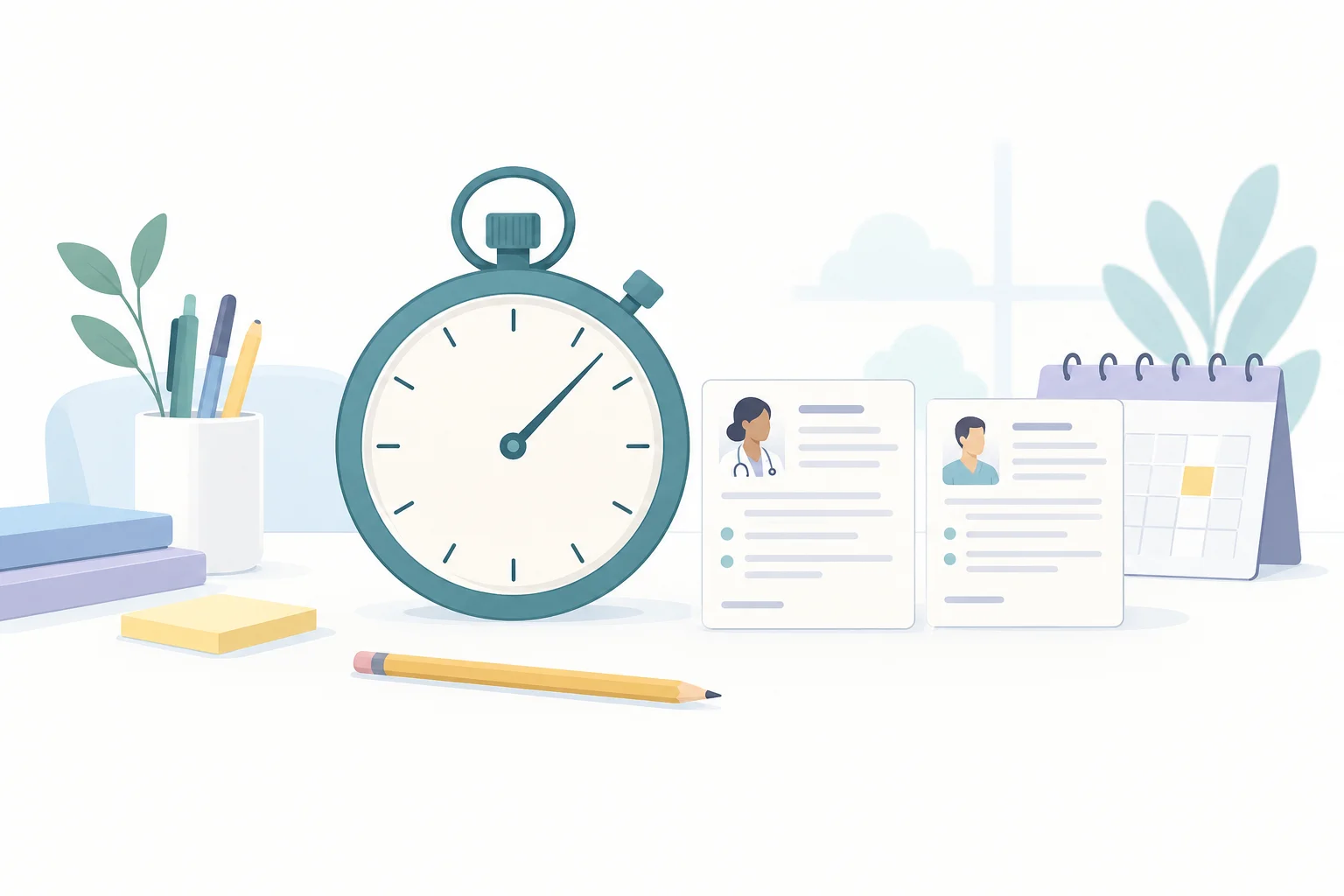
How to measure the time of documentation before and after using AI
.
Compare active time, review and pending tasks before and after using AI with comparable meetings and do not confuse speed with completed work.
-
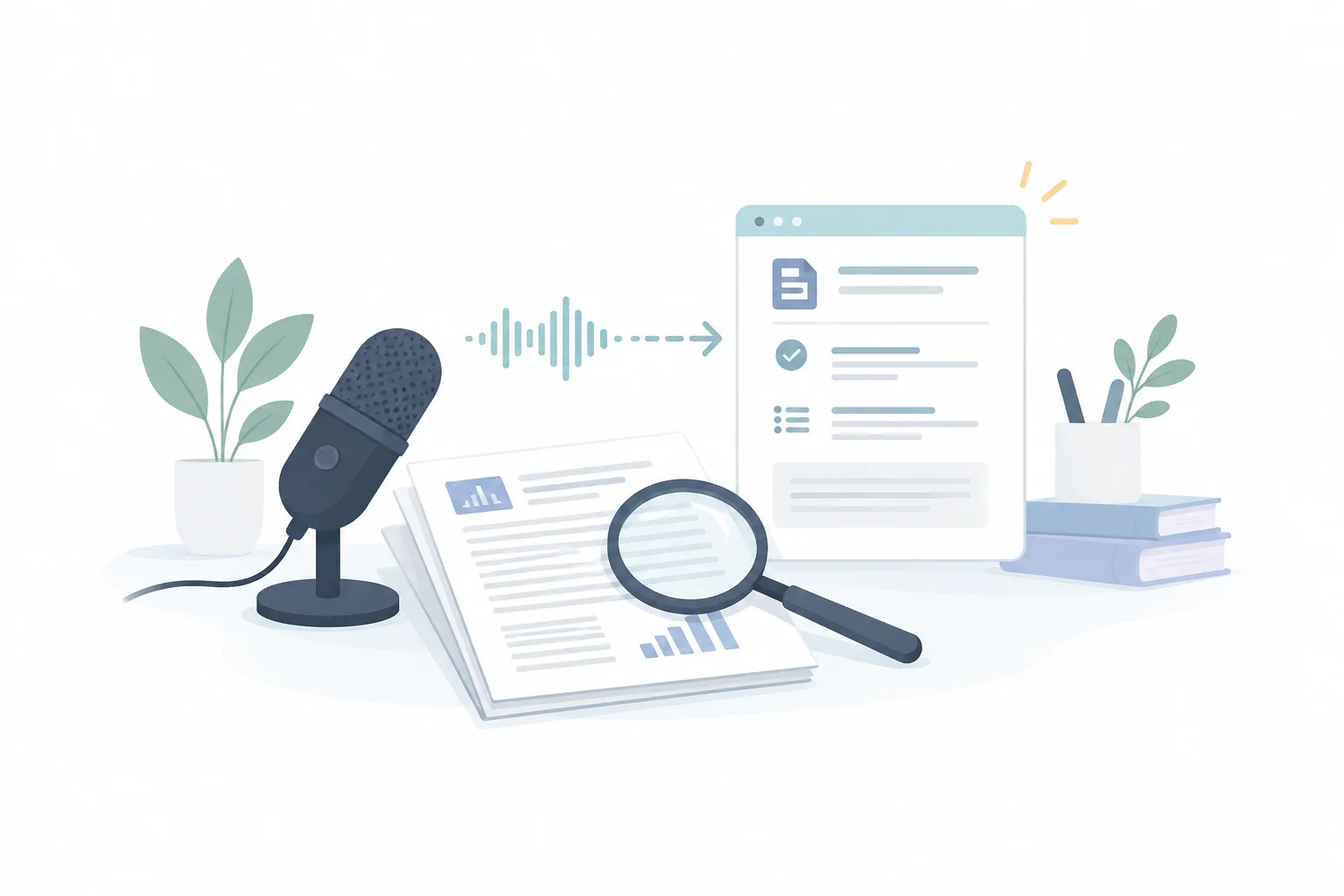
Environmental scribes with AI: what the studies show and what still needs to be measured
.
What to look for in studies of environmental scribes: time, perceived workload, documentary quality, and conditions for applying their results.
-
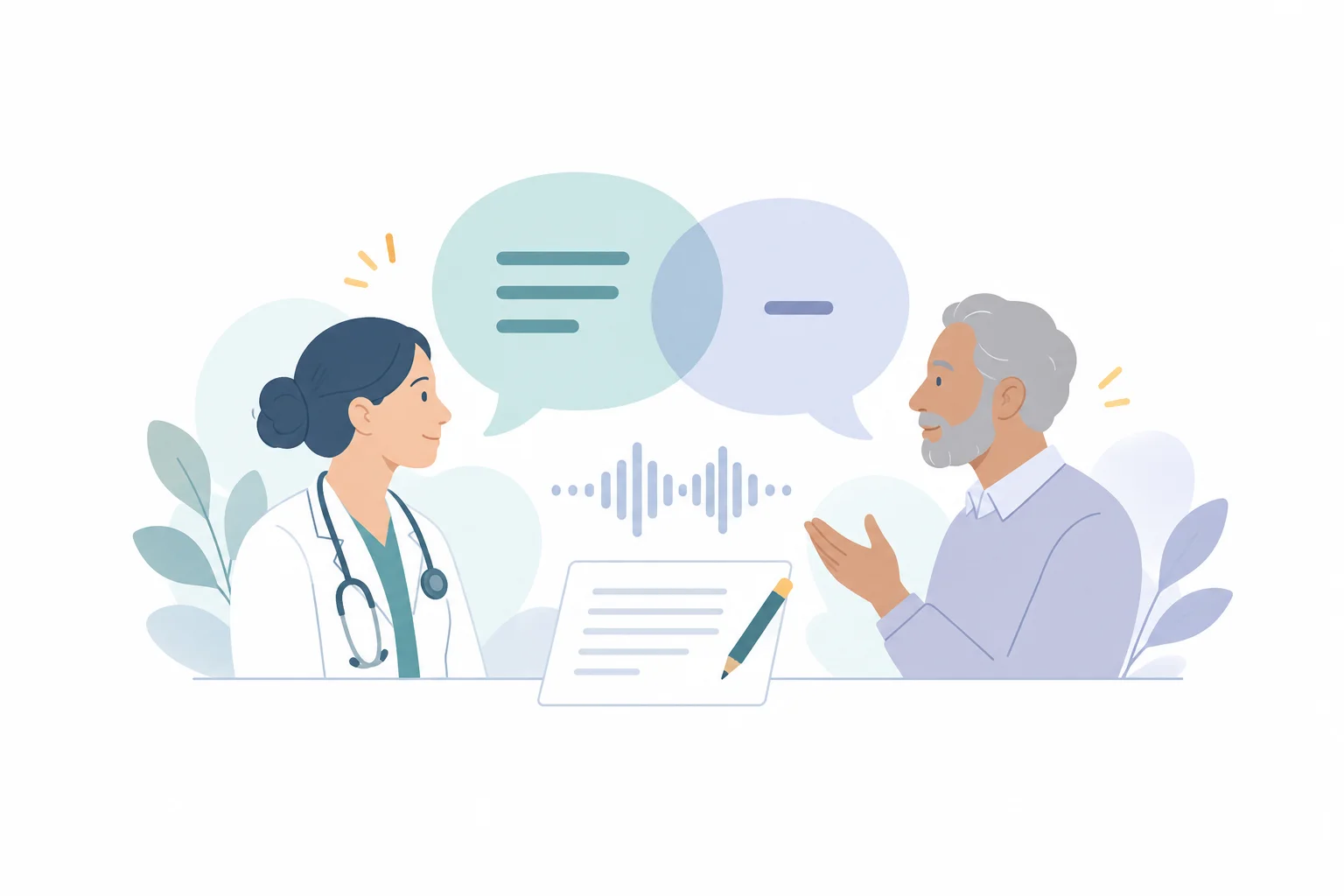
Medical AI in Spanish: why the language should also be evaluated
.
Evaluate vocabulary, denials, corrections, and documents: a translated interface does not by itself describe the entire flow of medical AI in Spanish.
-
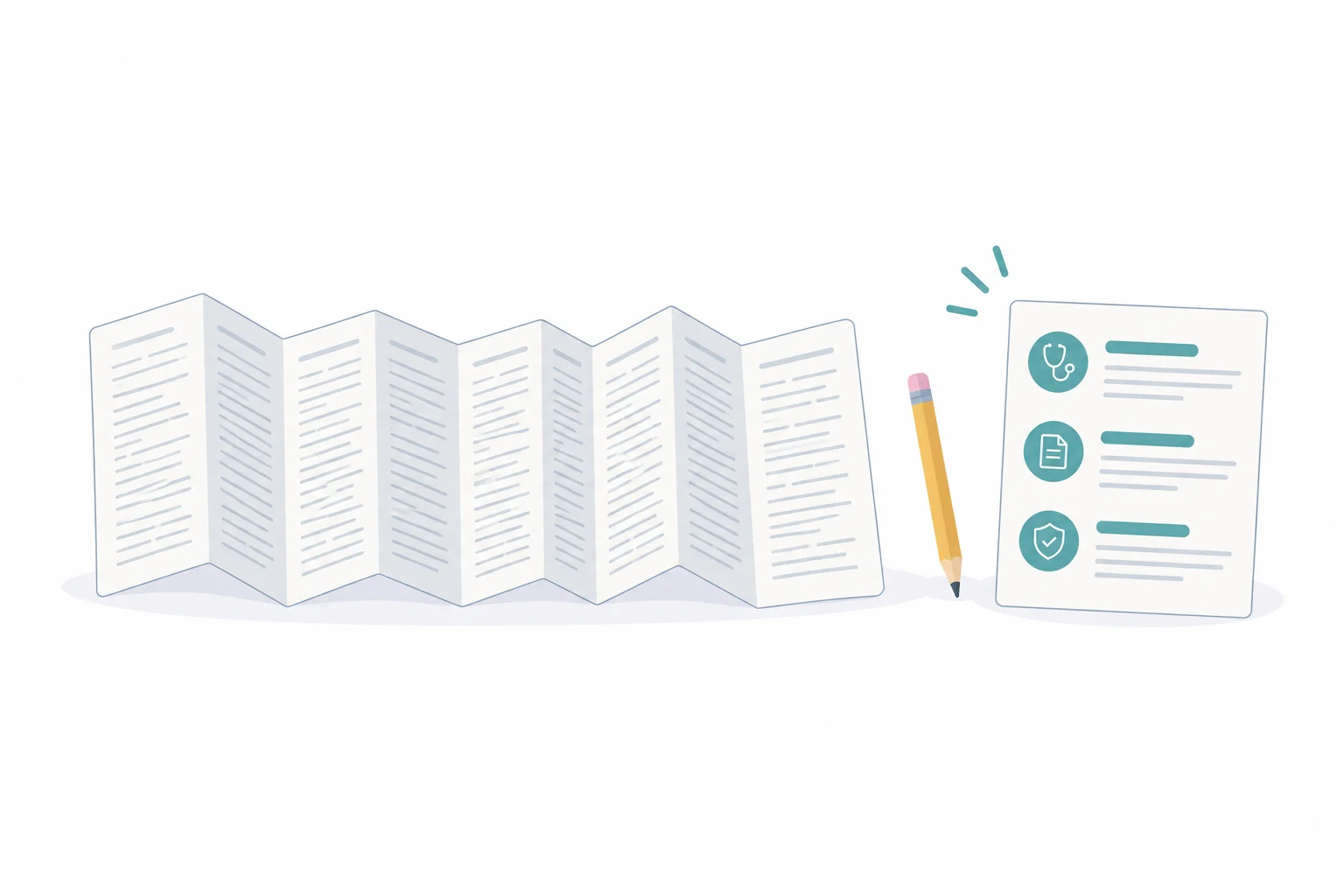
A longer note is not always a better clinical note
.
How to distinguish useful context from repetition in clinical notes and ask an assistant for documents that will facilitate resuming work.
-
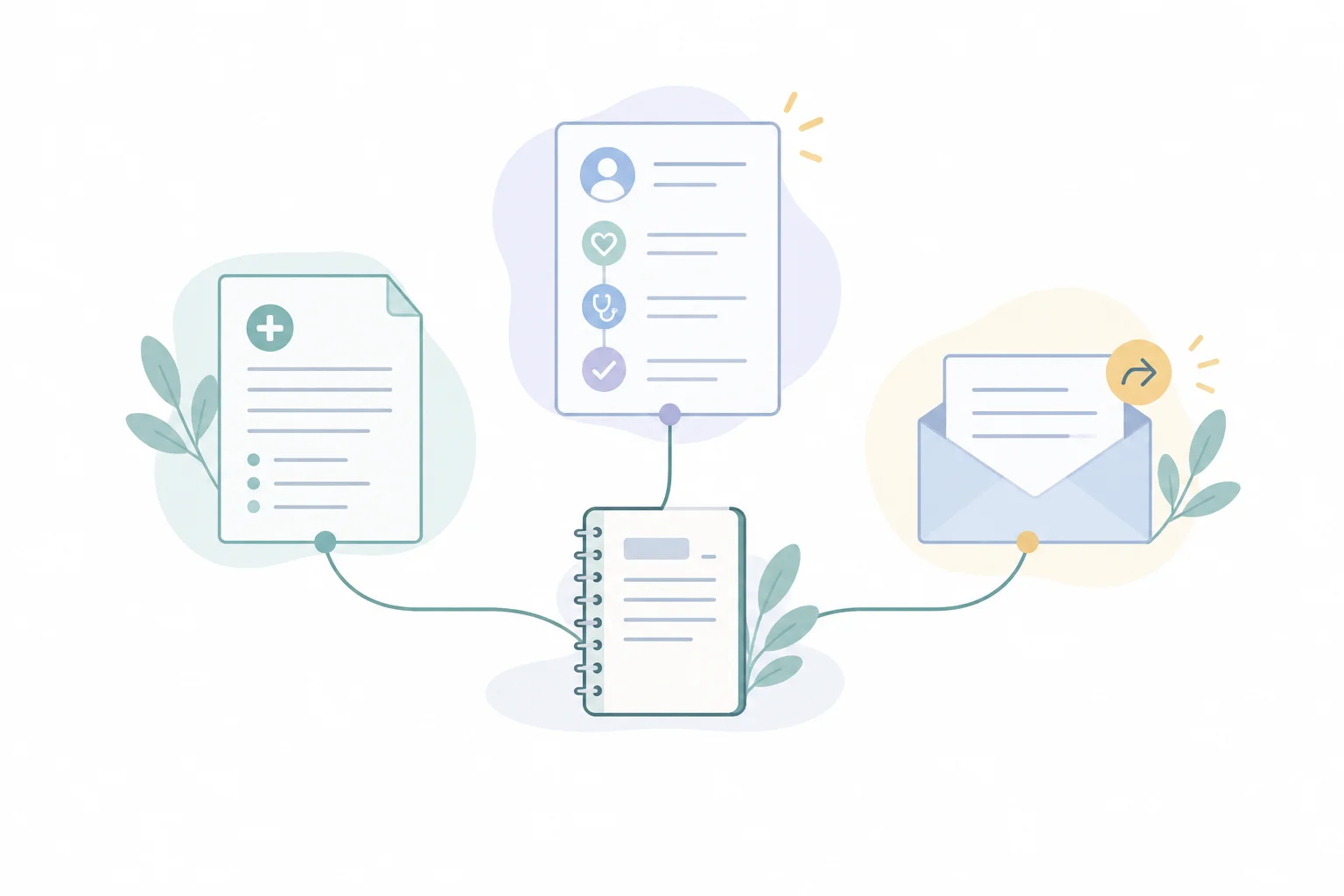
One query, several documents: where the work repeats itself
.
Notes, summaries, and references share context, but have different audiences. How to identify and reduce the repetition of work.
-
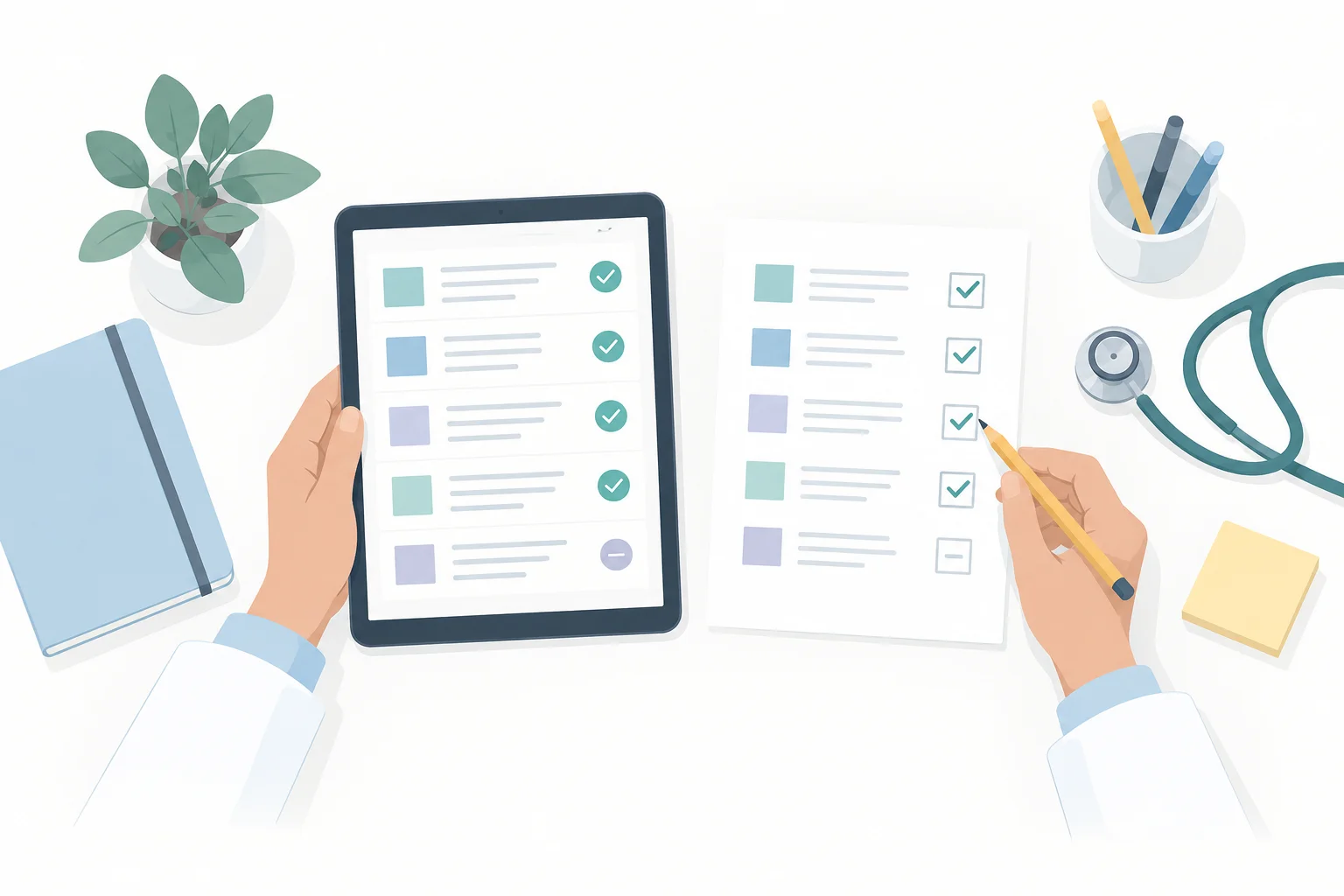
How to test a medical AI assistant with five exercises
.
Five exercises with fictitious examples to assess grades, corrections, references, and completed work before incorporating AI into your practice.
-


Dental clinical history: what to record and how to follow it
.
How to organize dental reason for visit, medical history, examination, teeth or areas, procedures, instructions, and follow-up.
-
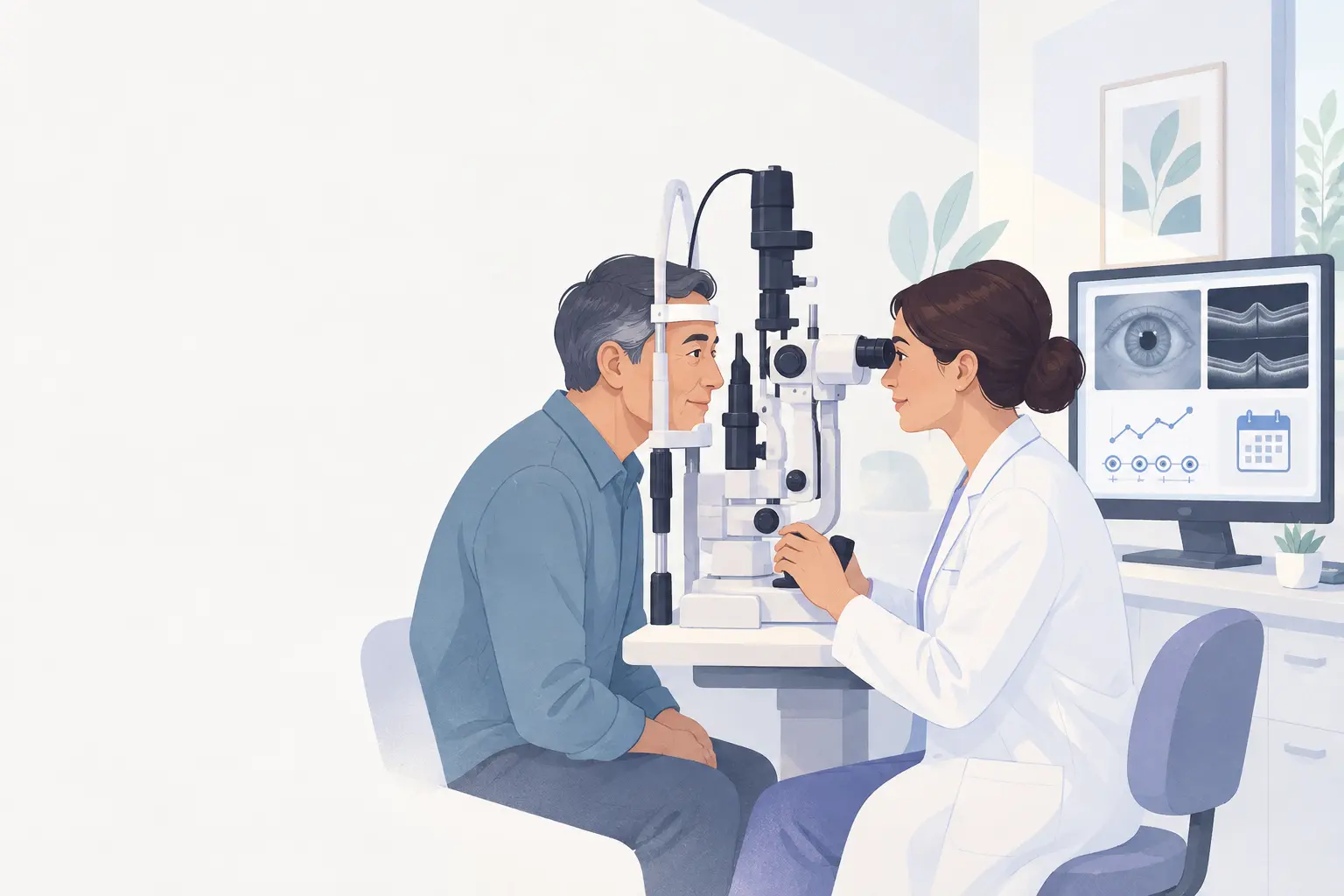
Ophthalmology note: history, measurements, and plan
.
How to organize reason, laterality, medical history, provided measurements, examination, and follow-up in an ophthalmology note.