

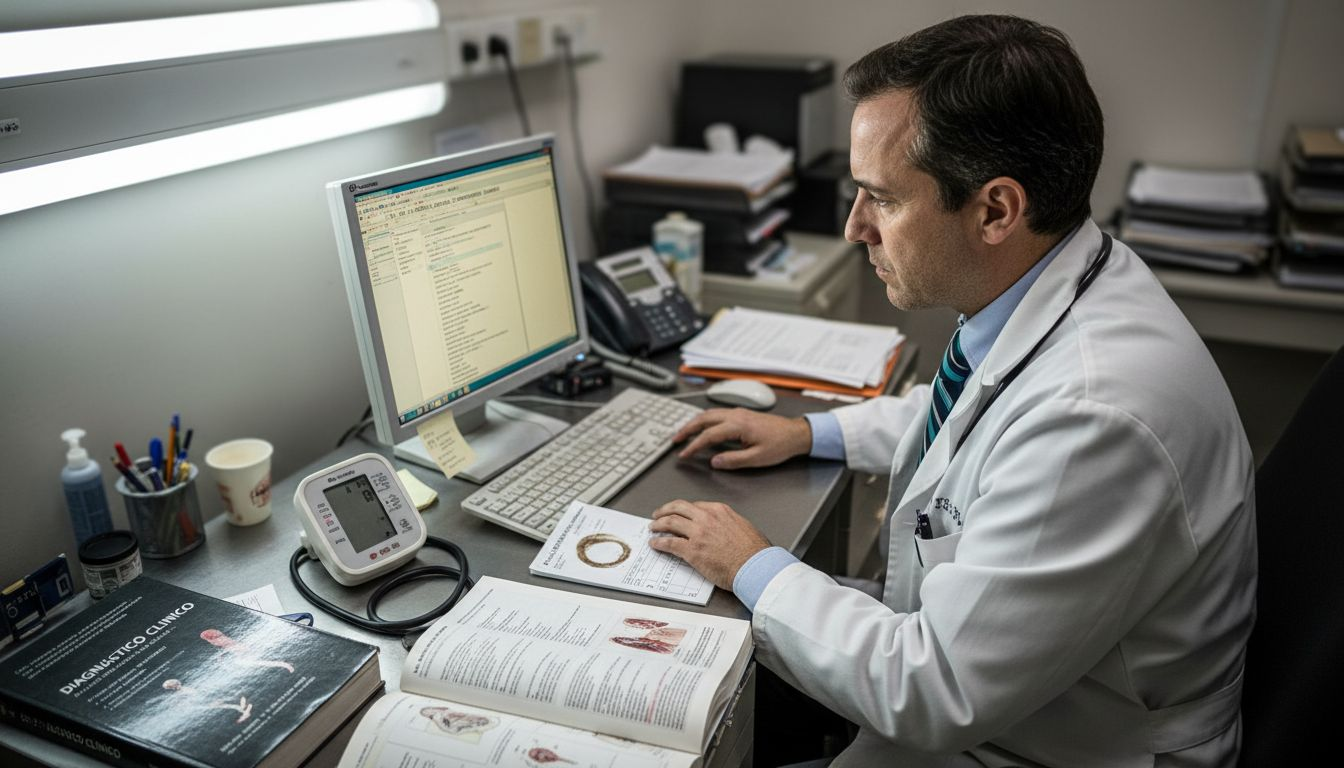
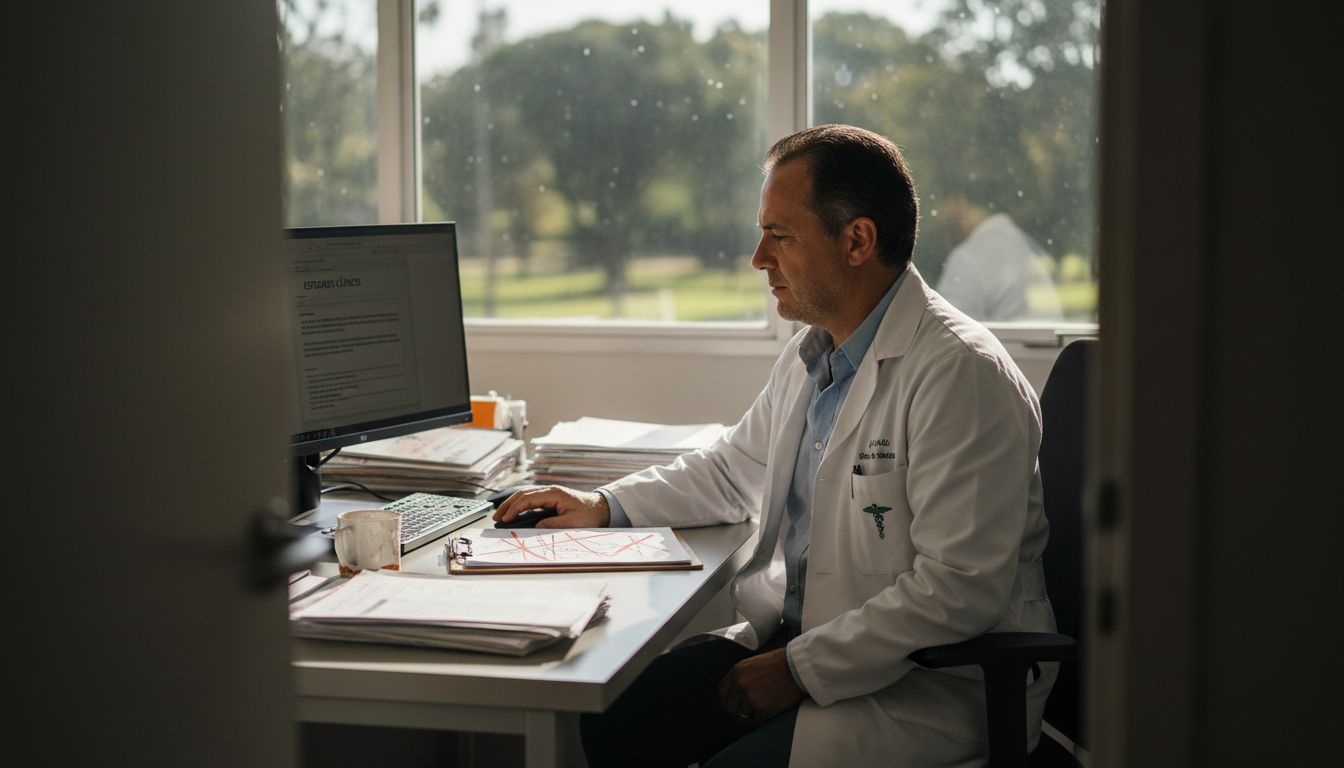
Daily medical documentation is not minor administrative work. It is the clinical memory of care: it clarifies what happened, what information was available, what the professional assessed, and what should happen next.
When a note is incomplete, scattered, or written too late, the next step of care depends on individual memory. When well-organized, it helps the professional review critically, the authorized team understand the context, and ensure follow-up doesn't start from scratch.
This guide brings together seven best practices to improve daily medical documentation without turning the consultation into a rigid form. It also explains how a platform like Itaca can help prepare revisable clinical drafts while the professional is attending to patients, always keeping clinical review, approval, and responsibility in the hands of the professional.
What does it mean to document well in daily practice?
Good documentation doesn't mean writing more. It means keeping the right information, in the right place, with the right level of certainty.
A good clinical note answers basic questions:
- Why did the patient consult?
- What background information, documents, or data were relevant to this care?
- What was observed, measured, or reviewed?
- What clinical interpretation did the professional make?
- What plans, indications, or pending items were left?
- Who should be able to see or review this information?
Daily medical documentation should be useful for the current encounter and for continuity of care. This is important in both an individual practice and in a clinic with multiple providers, locations, or shifts.
1. Record the reason for the visit and relevant clinical context
The first risk of weak notes is losing the real reason for the consultation. If the professional or team has to reconstruct the story from messages, memory, and loose documents, the documentation fails to fulfill its purpose.
A good practice is to start each record with the reason for consultation and relevant context for that encounter. It's not about copying the entire record or transcribing every sentence. It's about retaining what changes the clinical reading of the encounter.
It may include, as applicable:
- Reason for consultation or contact;
- evolution reported by the patient or caregiver;
- relevant background for that problem;
- medications, allergies, or treatments mentioned;
- documents reviewed;
- Information pending confirmation.
In Itaca, context can come from conversation, clinical documents, quick notes, or prior information available in the feed. The output should remain a revisable draft, not an automatic final note.
2. Distinguish between the reported, the observed, and the assessed
A note loses clarity when it mixes what the patient reports, what the professional observes, and what the professional interprets. This separation is essential for the next authorized person to understand the care without guessing where each piece of data came from.
In daily practice, it is advisable to separate:
- subjective or referred information;
- findings observed, measured, or available;
- Clinical evaluation of the professional;
- Plan, instructions, and follow-up.
The structure can be SOAP or another format, but the logic is the same: don't turn a suspicion into a confirmed diagnosis, don't put an interpretation within the objective findings, and don't complete data that was unavailable.
For a more specific explanation of this structure, please refer to the guide SOAP note.
3. Keep the note useful for continuity of care
Daily medical documentation should aid subsequent care. This is especially important with follow-up, consultation, shift changes, site changes, or multiple providers involved.
A useful note for continuity leaves visible:
- the problem or reason that remains open;
- the response to the prior plan when applicable;
- Relevant changes since the last visit;
- agreed directions or decisions;
- pending studies, documents, or results;
- monitoring criteria.
In medical equipment, continuity should not depend on disconnected messages or the memory of the first responder. Information must remain accessible to the right people, with clear roles and permissions.
For clinics that need documentation to accompany the team's work, Clinic software Itaca connects patients, care, notes, documents, and tracking around a shared clinical context.
Use formats and templates without making the query rigid
Templates help organize documentation, but a poorly used template can turn attention into a list of fields that don't reflect the actual case.
The best practice is to use formats that guide the record without removing professional judgment. A first consultation, a pediatric note, a psychiatric evaluation, or a surgical follow-up do not require the exact same structure. The template should be adapted to the type of care.
Itaca allows you to work with clinical note templates and also with formats specific to a clinic. If the team already uses a form, you can upload an example and convert it into a reusable template for future appointments. You don't need to write prompts or publish the internal logic of the format.
The template organizes. The professional reviews, corrects, and approves.
5. Leave pending and missing data visible
A note does not improve because it appears to be complete. If a date, dosage, result, document, or clinical confirmation is missing, the correct thing to do is leave that point visible for review.
This practice is especially important when using AI tools. A good workflow should not invent information to close a section. It should help the professional see what's missing, what's pending, and what needs confirmation before approval.
Examples of considerations to clarify:
- Result requested but not yet available;
- data without supporting documentation;
- dose or frequency patient does not recall;
- evolution requiring post-control;
- indication that depends on further evaluation.
The Clinical note rules They can help maintain consistent criteria on how to handle missing data, sections, tracking, and review, without exposing internal rules or replacing professional judgment.
6. Review before approving or signing
Professional review is a core part of daily medical documentation. An AI-assisted note should be treated as a draft until the professional confirms it reflects actual care.
Before approving or signing, it is advisable to review:
- that the reason for consultation corresponds to the current encounter;
- that unavailable data has not been added;
- so that the evaluation maintains the correct level of certainty;
- that the plan is clear and actionable;
- that the earrings are visible;
- Ensure that the note does not mix information from another patient, visit, or document.;
- That the language be clinically accurate.
Itaca distinguishes draft preparation work from the professional responsibility of reviewing, approving, and signing. To make this review routine, use the clinical notes checklist before signing; to classify a problem, see the types of errors in clinical documentation.
7. Protect access, privacy, and traceability
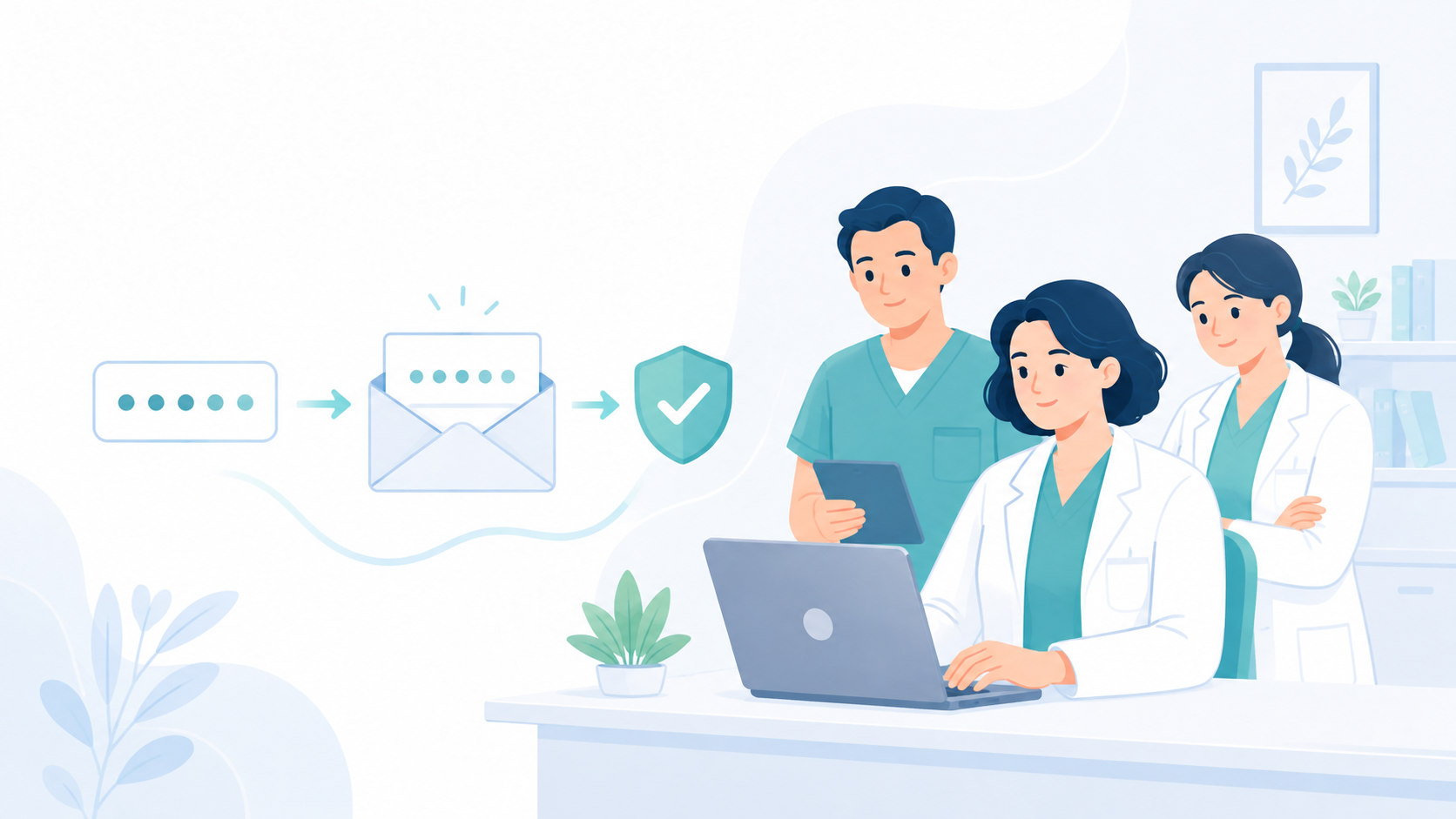
Daily medical documentation contains sensitive information. It's not enough for the note to be clear; it must also be handled in a secure environment, with controlled access and traceability.
Itaca follows applicable HIPAA requirements for its operation and works with cloud providers under BAAs. The platform encrypts data in transit and at rest. Clinical data belongs to the user and their organization: it is not used to train models, it is not sold, and it is not provided to third parties for commercial purposes.
Additionally, administrators have visibility into usage, access, and team activity. This is important for clinics that need to operate with distinct roles: doctors, reception, administration, support, or management.
Get the full approach to security and privacy of clinical documentation.
How does Itaca help without replacing professional judgment?
Itaca helps convert the context of care into structured clinical drafts. It can work with in-person consultations, video calls, clinical documents, quick notes, templates, and documentation rules.
The difference isn't in generating text for the sake of generating text. It's in preparing a reviewable note so the professional doesn't have to start from a blank slate after the encounter.
The correct flow is:
- The clinical query or context is captured with authorization and within the product flow.
- Itaca prepares an organized draft.
- The professional reviews, edits, and completes.
- The note is approved or signed when it reflects real attention.
- The authorized team can proceed with context, follow-up, and traceability.
To view the full flow, visit clinical notes with AI.
Fictitious example: from conversation to revisable note
The following example is fictional and abbreviated. It does not reproduce an Itaca internal template and should not be used as a definitive clinical format.
During a consultation, the patient reports discomfort for several days, mentions a previous treatment, and brings a pending result for review. The professional explores, interprets the available information, and defines a plan.
A well-organized daily note could make visible:
- Context Reason for consultation, reported evolution, relevant history, and document pending review.
- Findings: Observed or measured data during care, without mixing conclusions.
- Assessment clinical assessment by the professional with the corresponding level of certainty.
- Plan directions, studies, follow-up, and data to be confirmed.
The important thing isn't to copy these words. The important thing is that the information remains organized, reviewable, and useful for the next decision.
Quick checklist before closing a note
- The reason for the consultation is clear.
- The relevant information from the meeting was documented.
- What was referred, observed, and evaluated are separate.
- The earrings are not presented as confirmed results.
- The plan indicates what's next and what needs to be reviewed.
- Access to information corresponds to each person's role.
- The note was reviewed by the responsible professional.
Frequently Asked Questions about Daily Medical Documentation
Should daily medical documentation be extensive?
Not necessarily. It must be sufficient, clear, and useful for care. A lengthy but disorganized note can be less useful than a brief note that retains relevant context, findings, assessment, plan, and pending items.
Is it advisable to write the note in patient-friendly language?
The clinical note is part of the professional record. It must be clear, precise, and understandable to the authorized team, but it should not sacrifice clinical accuracy for simplification. Patient materials can be generated separately when the workflow requires it.
Can AI close the note for the professional?
No. Itaca prepares revisable drafts. The professional retains final review, editing, approval, and signature.
Can I use the format my clinic already uses?
Yes. A clinic can upload an example of their current form or note, and Itaca can convert it into a reusable template, without the team having to write prompts or publish their internal logic.
Does Itaca use clinical data to train models?
No. Clinical data belongs to the user and their organization. Itaca does not use patient clinical data for model training, nor does it sell or provide it to third parties for commercial purposes.
Document better every day, without losing clinical review
Daily medical documentation improves when the professional doesn't have to reconstruct the consultation from scratch. Itaca helps prepare structured clinical drafts, apply templates and rules, and retain professional review before approving or signing.
For clinics and medical teams, schedule a clinical conversation allow review of how Itaca adapts to its formats, roles, and continuity of care.
Leave a Reply