

A clinical note should not be silently changed after it has been reviewed.
In a clinic, a medical record is not just a memory aid for what happened during a consultation. It is also a professional record of care: what was documented, when the patient was seen, who confirmed the note, and what information was added later.
That's why Itaca now allows sign clinical notes in clinic workflows.
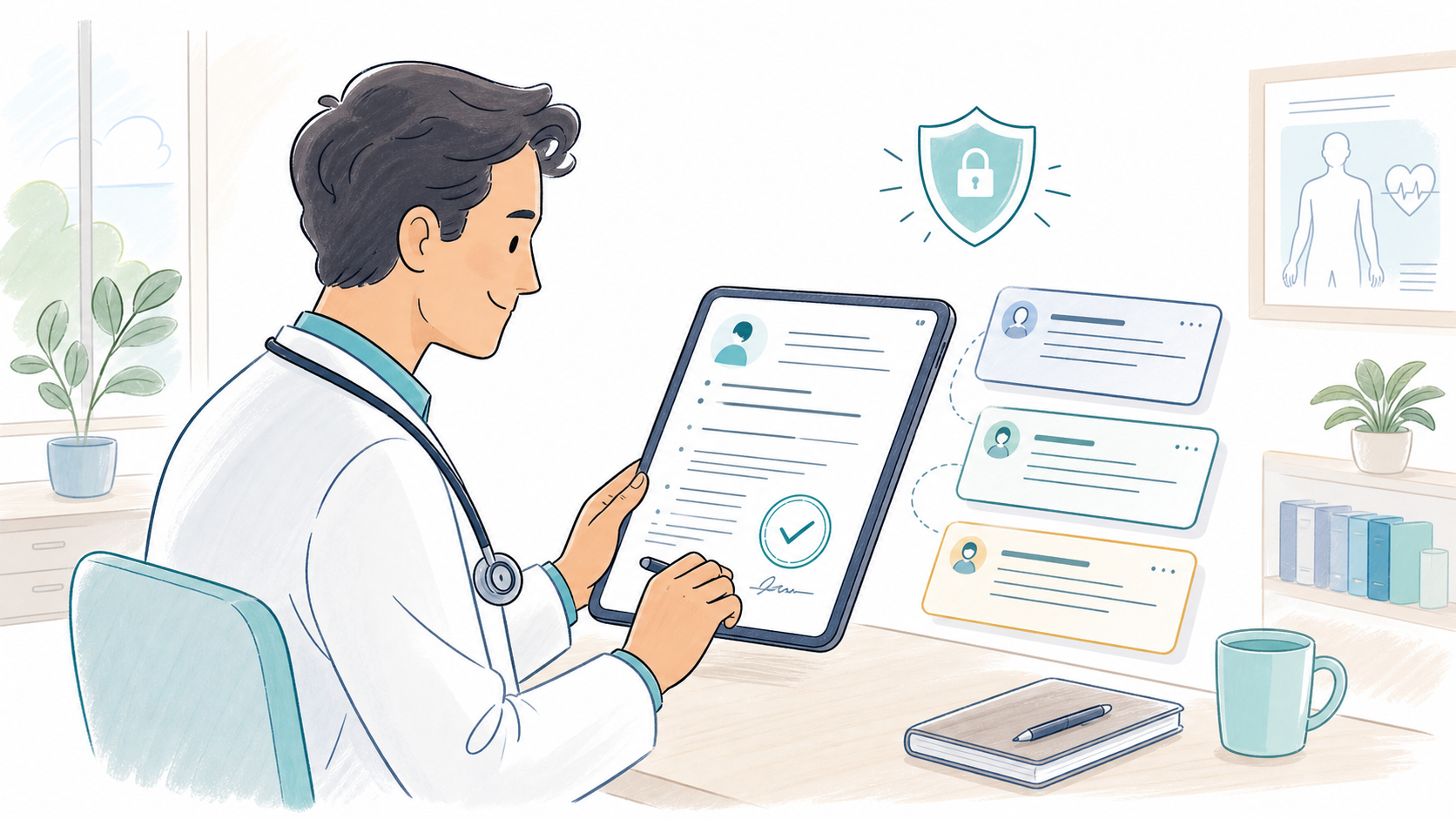
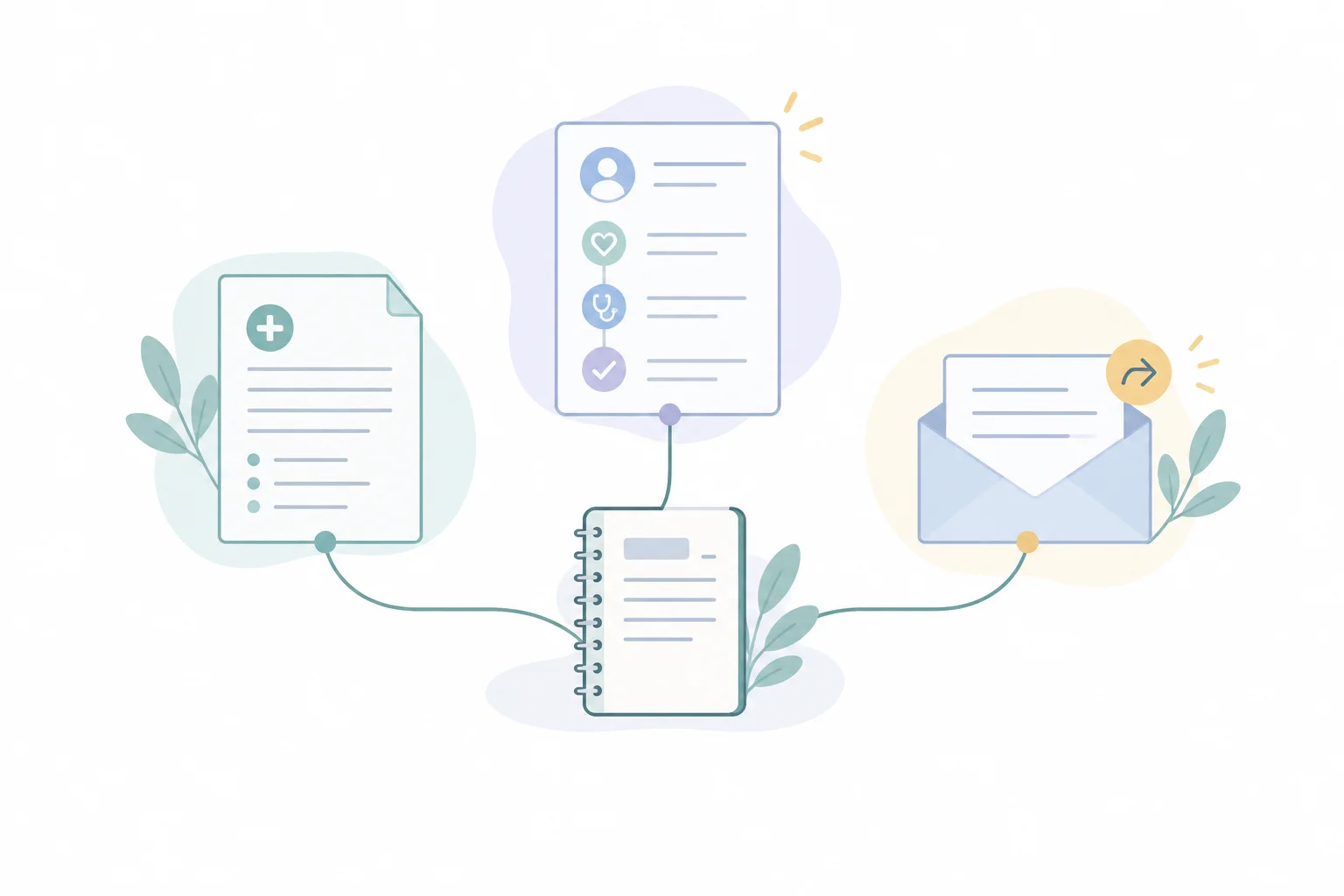
When a note is signed, the original version is protected. If corrections, clarifications, or additional information are needed later, the changes are documented through an addendum, without overwriting the initial note.
The result is a more robust, more traceable, and easier to defend file internally when the team needs to understand exactly how the documentation for a visit evolved.
Request a demo of Itaca and learn how to improve the traceability and robustness of your clinic's medical records.
To sign a clinical note means to authorize the documentation of a patient's medical encounter. It signifies that the healthcare provider who wrote the note has reviewed and verified the information contained within it, taking responsibility for its accuracy and completeness. Signing a clinical note is often a legal requirement and an essential part of maintaining patient records and ensuring continuity of care.
Signing a note in Itaca means confirming that the clinical note from a visit has already been reviewed by the corresponding professional.
Once signed:
- The original note is no longer edited.
- Note regeneration is disabled.
- Subsequent changes are recorded as addenda.
- The date of service and the date of signature are displayed separately.
- The team can better understand what happened during the visit and what was added afterward.
This does not replace the regulatory or legal processes of each clinic, but it does create a clearer experience for the team's daily work.
Why does this matter in clinics
In an individual consultation, editing a note may be sufficient.
But in a clinic, the context changes.
There can be oversight. There can be later review. There can be new information the next day. There can be a patient clarification, a change in plan, or an indication that needs to be documented without deleting the previous entry.
If everything is edited on the same note, context is lost.
With the signature and addenda, the medical record becomes easier to read:
- What did the original note say?.
- When was the patient seen?.
- When was the note signed?.
- Who added later information.
- What content was added as clarification or update?.
Less ambiguity. More traceability.
Addenda: The Correct Way to Document Changes After Signing
After signing a note, Itaca allows you to add addenda.
An addendum is used to document subsequent information without altering the original note. For example:
- A clinical clarification.
- A plan update.
- A specific correction.
- Information added by supervision.
- A relevant detail that was confirmed after the visit.
This is especially useful when supervision occurs later, even the next day. The information remains associated with the correct clinical visit, but is clearly distinguished as added content.
Firmness, attention, and supervision: everything in its place
One of the important differences of this flow is that Itaca separates two moments:
Attention: When the patient was seen.
Company when the note was confirmed by the professional.
That separation helps avoid confusion. The relevant clinical date remains the date of service, but the team can also see when the note was signed.
If there is supervision, it can also be displayed as a separate card, maintaining the same visual logic as addenda, but without mixing both concepts.
How does the flow work in Itaca
The flow is simple:
- The professional completes the visit.
- As long as the note is not signed, you can edit or regenerate it.
- When the note is ready, select Sign.
- Itaca shows a confirmation before signing.
- After signing, the note remains protected.
- If it's necessary to add information, use Add addendum.
The intention is to reduce friction, not add unnecessary steps.
While the note is open, the professional retains flexibility. Once it is confirmed, the system protects the integrity of the document and guides the team toward the use of addenda.
Designed for clinics, without changing the workflow of private practices.
This function applies to clinics.
Private practices will maintain their current flow. This is important because not all contexts require the same level of collaboration, supervision, or change control.
In clinics, where more than one person is usually involved in care and review, signing notes provides greater operational clarity.
Benefits for the clinical team
Signing clinical notes helps the team work more orderly:
- Avoid accidental edits to confirmed notes.
- Makes the difference between the original note and subsequent changes more visible.
- Improve the reading of the clinical history.
- It makes working with supervision easier.
- Clear up doubts about what information was added later.
- Keeps the record more understandable for future visits.
It's not about making the system more rigid. It's about every change having its place.
An easier-to-understand medical record
When a patient returns weeks or months later, the team needs to quickly understand what happened.
A note signed with clear addenda allows the story to be read with better context:
- The main note shows the original attention.
- The addenda show later information.
- Oversight is visible when it exists.
- Longitudinal data can consider clinically relevant information without confusing the date of service with the addendum date.
This makes the record more useful for follow-up, continuity of care, and coordination within the clinic.
A signed note is part of a broader flow, the Clinical documentation with AI Prepare a draft, the professional reviews and approves it, and any subsequent clarification is recorded without deleting the original note. Learn about the workflow Signature and traceability of clinical notes, how do the Clinical note rules and the posture of security and privacy.
Frequently Asked Questions about Signing Clinical Notes
Is a note generated by AI automatically signed?
No. Itaca prepares a revisable draft. The professional reviews, edits, approves, and signs the note when it reflects actual care. Subsequent clarifications are recorded as addenda to maintain traceability.
Try the clinical notes signature in Itaca
If your clinic needs more clarity when closing notes, reviewing visits, or documenting subsequent changes, note signing can help you streamline the workflow without complicating it.
With Itaca, your team can generate clinical notes, sign them when they are ready, and add addenda when it's necessary to document subsequent information.
Request a demo of Itaca and learn how your clinic can protect the original note, sign completed visits, and document later changes with addenda.

Leave a Reply