



Telemedicine
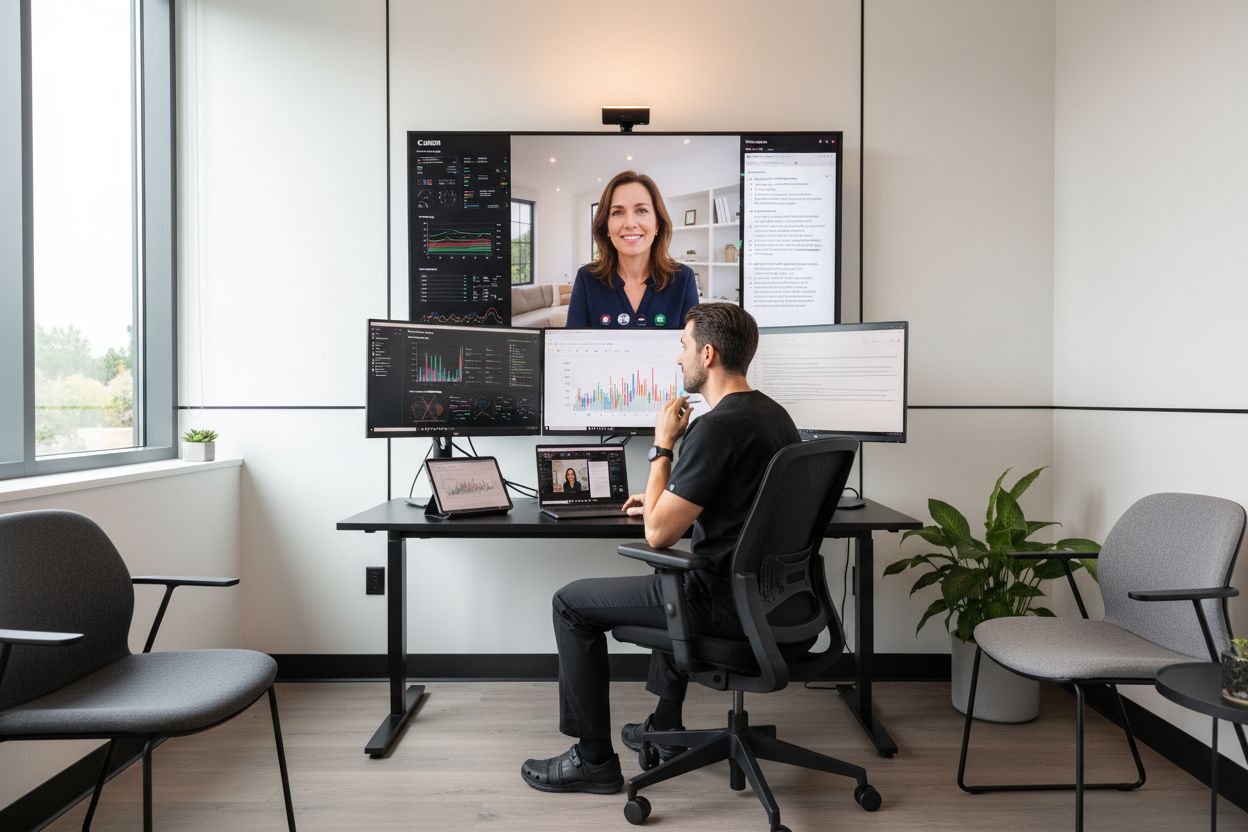
AI Telemedicine: How to Document Video Call Consultations
AI can prepare a draft of the clinical note from a video call consultation for the professional to review, correct, and approve. Its usefulness lies in reducing manual documentation; it does not replace clinical evaluation, consent, or record requirements.
A practical workflow before, during, and after
Before the video call
- Confirm the patient's identity and the care channel.
- Explain how the consultation will be documented and obtain the corresponding consent.
- Review background information, studies, and available documents.
- Check space audio, connection, and privacy.
During the consultation
The professional conducts the anamnesis and clinical evaluation. A documentation tool can process the conversation and organize a draft in the background. The inherent physical limitation of remote care must be reflected: a note should not suggest that an examination took place which did not occur.
After the consultation
- Review names, history, findings, medications, dosages, and plan.
- Correct errors or omissions before approving the document.
- Identify which information comes from the patient and what was observed by the professional.
- Incorporate the approved version into the file using the workflow defined by your practice.
- Prepare prompts, orders, or follow-up when the product and environment allow it.
What changes with AI and what remains in the hands of the professional
AI can reduce transcription and help structure content. The professional remains responsible for interpreting the information, deciding whether the remote modality is appropriate, requesting an in-person evaluation when necessary, and approving the final documentation.
- AI prepares: a draft organized based on the conversation and available context.
- The professional decides: diagnosis, conduct, treatment, referral, and final content of the medical record.
- The organization defines: consent, access, retention, signature, and integration with your systems.
How to evaluate privacy and security
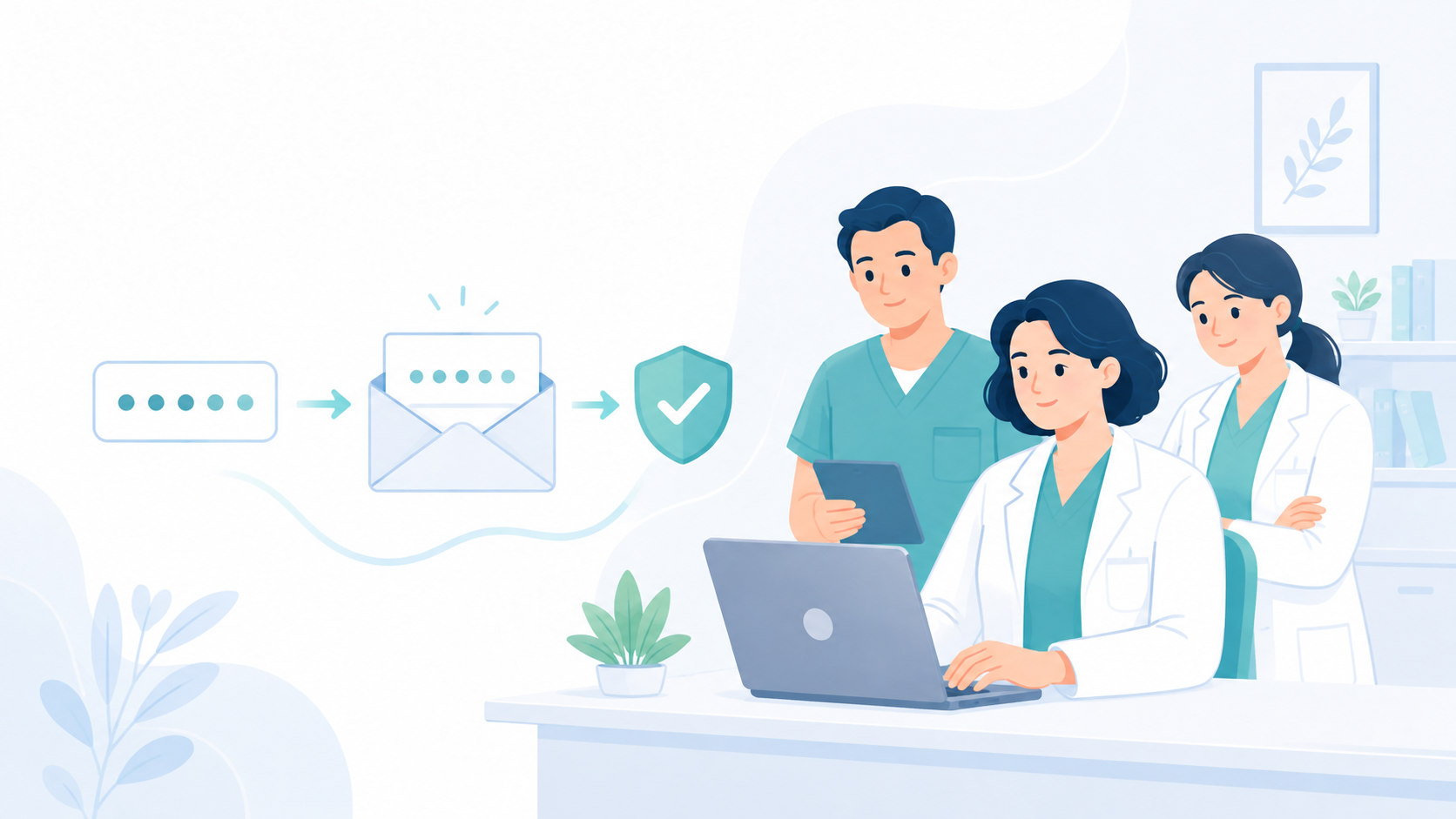
Before using a tool with clinical information, the team must know what data it processes, where it is stored, who can access it, how it is encrypted, and what agreements exist with relevant vendors. They must also check whether the data is used to train models and how team permissions are managed.
- Data encryption in transit and at rest.
- Role-based access controls.
- Appropriate contractual agreements with suppliers.
- Clear policy on model training.
- Procedures for correction, export, and deletion where applicable.
- Local telemedicine, medical record, and data protection requirements.
Itaca encrypts data in transit and at rest, does not use patient data to train models, and employs relevant vendors under BAA agreements. See current information from security and privacy and the regulatory context of your country.
How does it work with Itaca
Itaca makes it possible to document a consultation conducted via compatible video call platforms and prepare a draft of the note for review. You can see the specific workflow at Simpler telehealth: clinical notes from video calls.
To see the full flow, check the clinical notes with AI. If you work with multiple people or locations, please consult Itaca for clinics and medical teams.
Frequently Asked Questions
Can AI take notes during a video call?
You can prepare a draft from the conversation, depending on the flow and platform used. The professional must review and approve it before incorporating it into the file.
Does AI replace physical examination?
No. The documentation must distinguish what was reported or observed from that which requires an in-person evaluation. The professional decides whether the teleconsultation is sufficient for the case.
Is consent needed?
Depending on the jurisdiction, the institution, and the processing method. The practice must apply its information, consent, and record-keeping requirements before initiating the workflow.
Is the note automatically added to the file?
It must not be assumed. Itaca prepares a draft for review; incorporation, signature, and retention depend on the configured workflow and the clinical system used.


Leave a Reply