


Guides
-
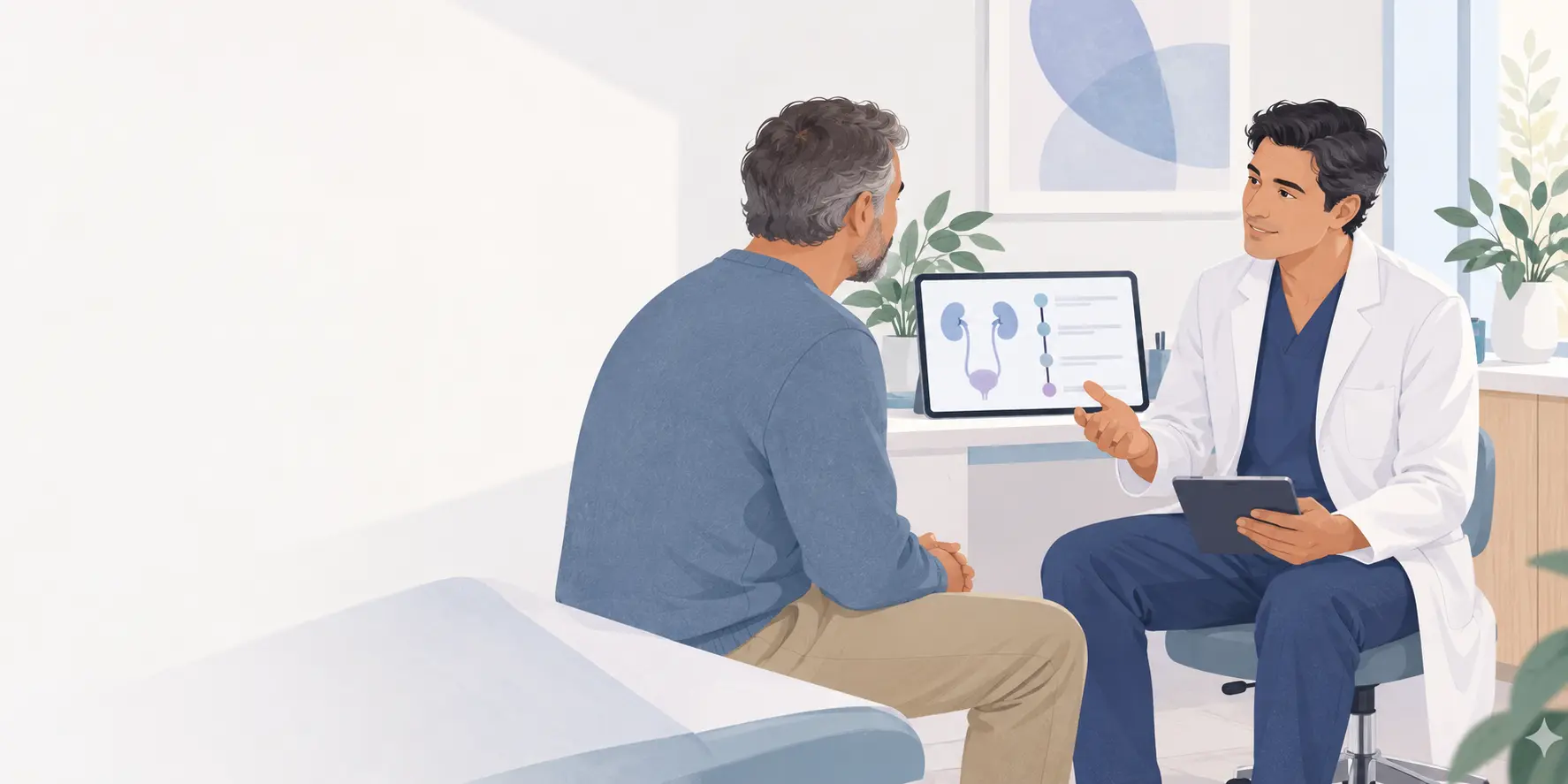
Urological note: history, studies, and follow-up
.
How to organize symptoms, medical history, provided studies, procedures, treatment, and follow-up in urology.
-


Oncological continuity: treatment, effects, and pending issues
.
How to organize treatment, reported effects, available results, coordination, and pending items throughout cancer care.
-
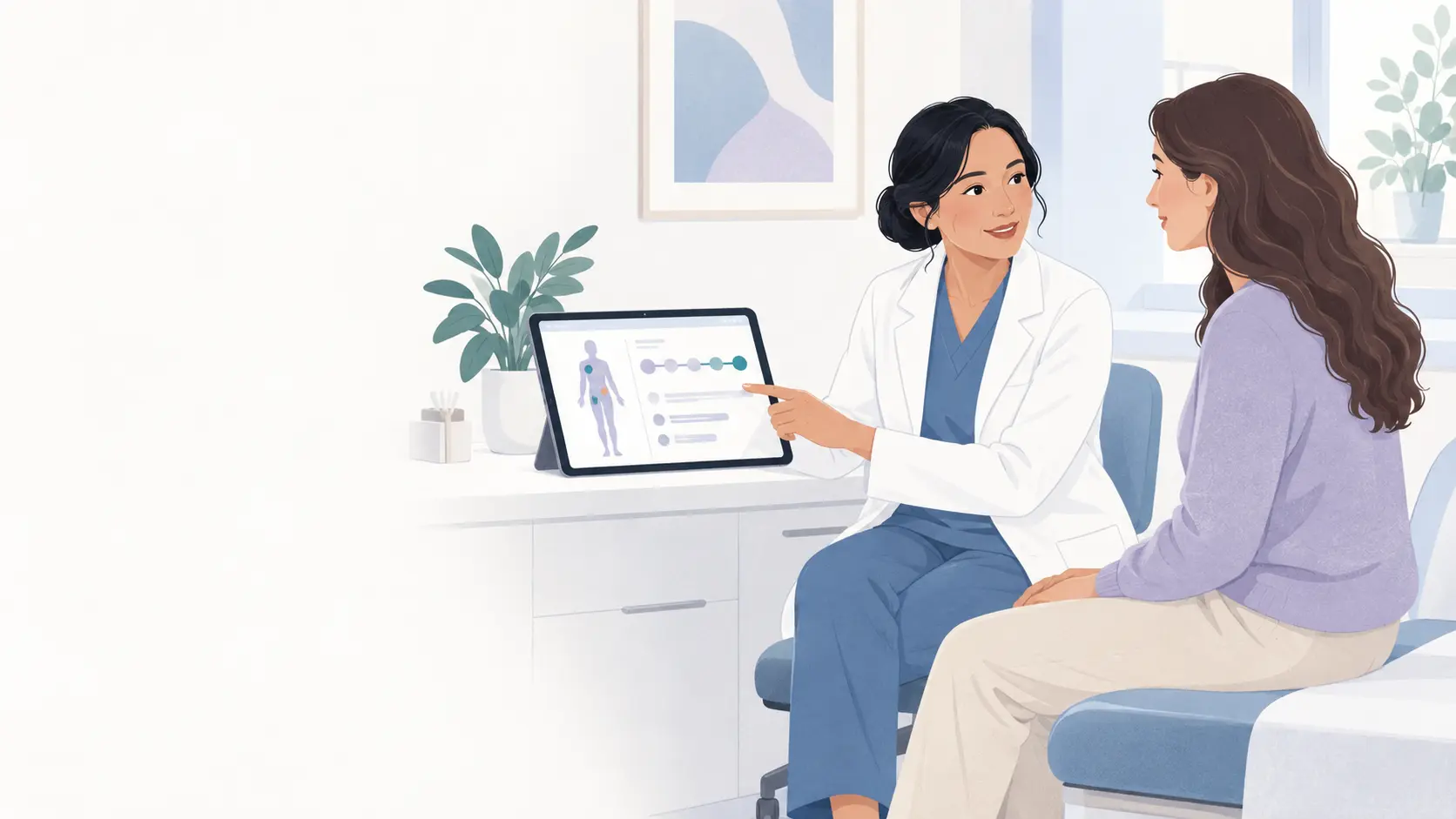
Dermatological follow-up: evolution, treatment, and response
.
How to organize localization, evolution, symptoms, treatment, and response between dermatology visits.
-
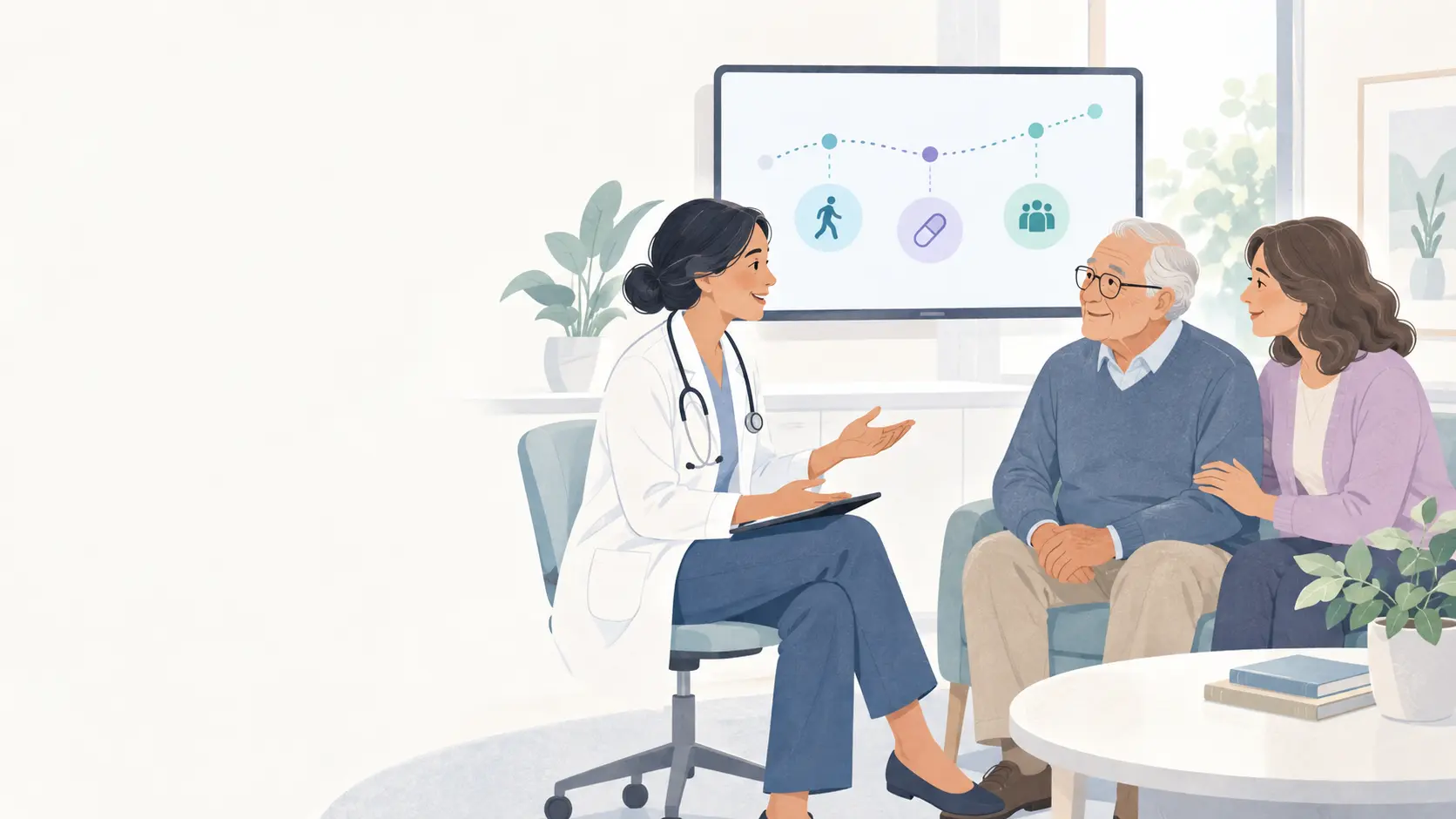

Geriatric assessment and clinical continuity: how to organize it
.
How to organize priorities, function, medications, caregiver, environment, and follow-up in a geriatric assessment.
-
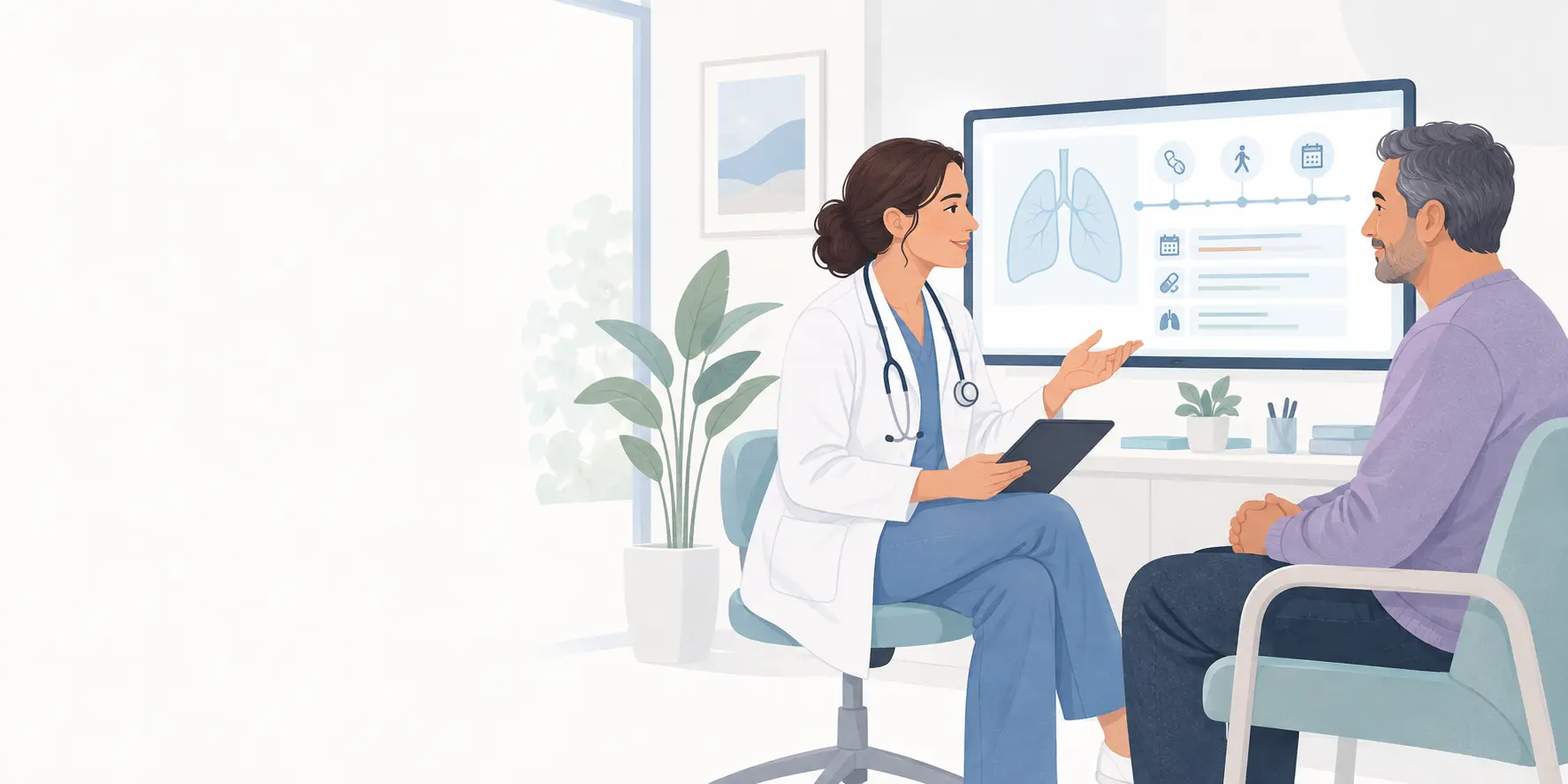

Pulmonology follow-up: symptoms, tests, and treatment
.
How to document respiratory evolution, exposures, treatment, provided results, and next steps in pulmonology.
-
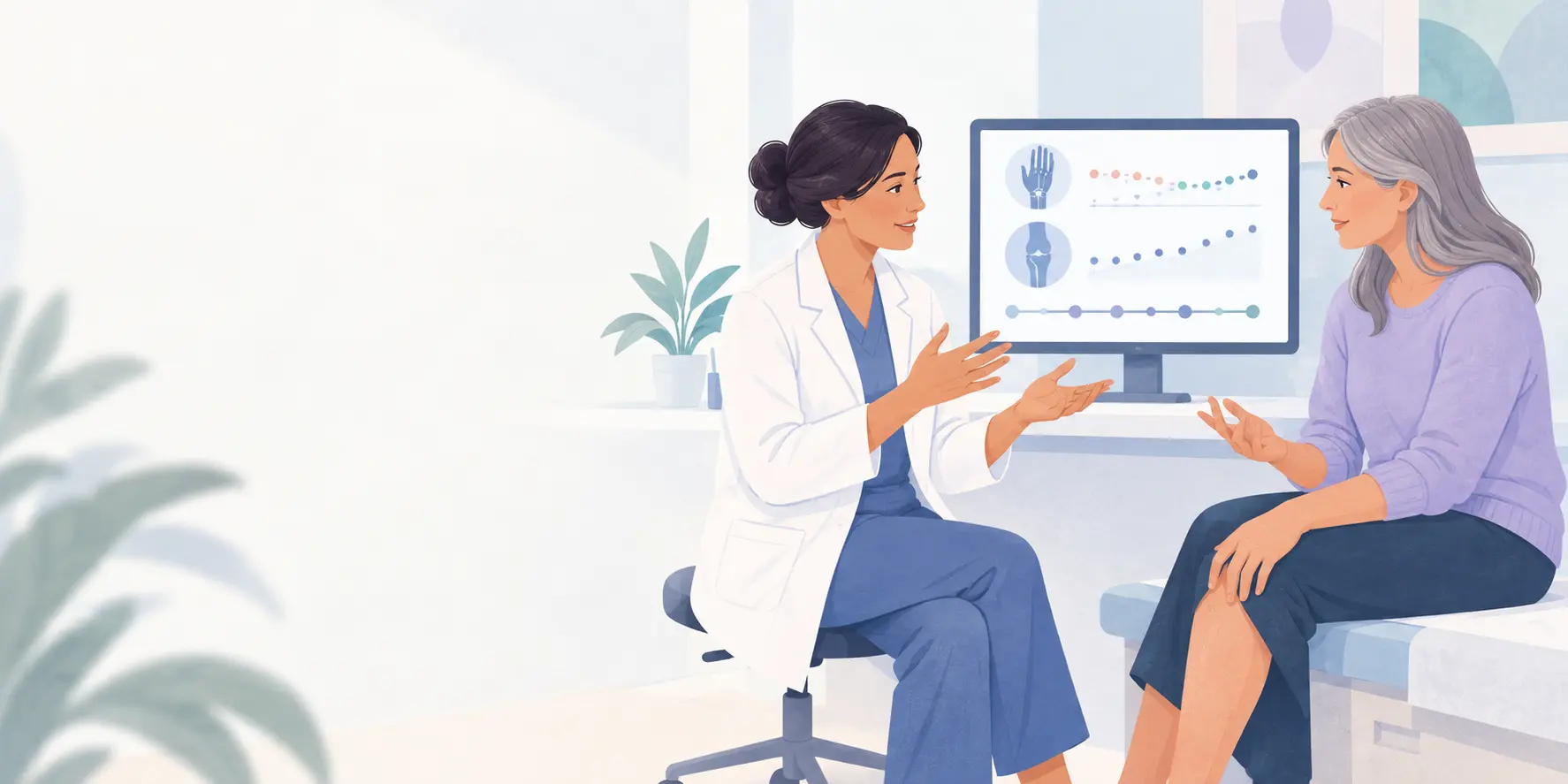
Rheumatology follow-up: symptoms, function, and treatment
.
How to organize symptoms, function, treatment, available results, and response between rheumatology visits.
-
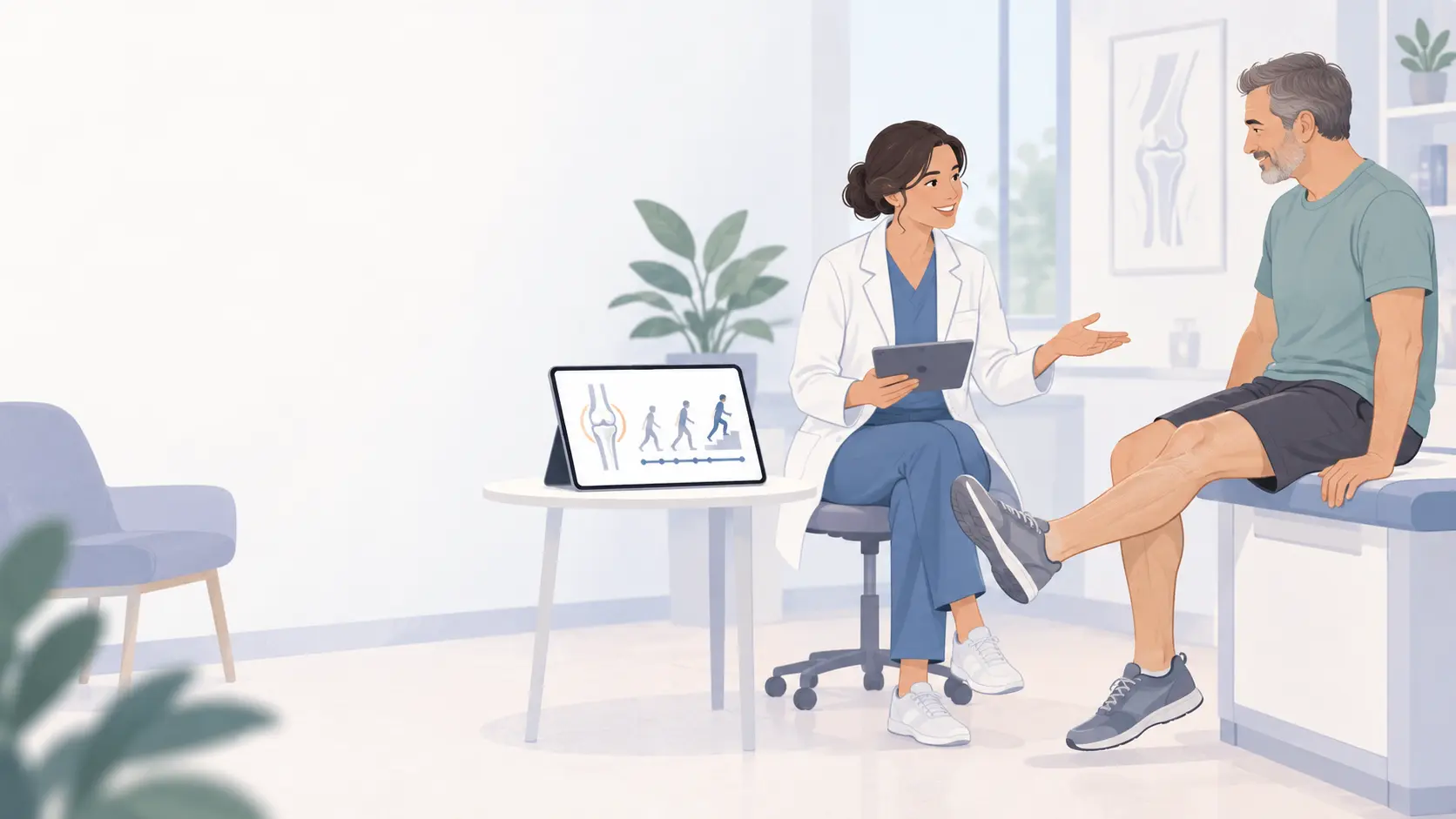
Traumatology and orthopedics note: functional progress and follow-up
.
How to document mechanism, laterality, function, examination, provided studies, treatment, and evolution in traumatology and orthopedics.
-
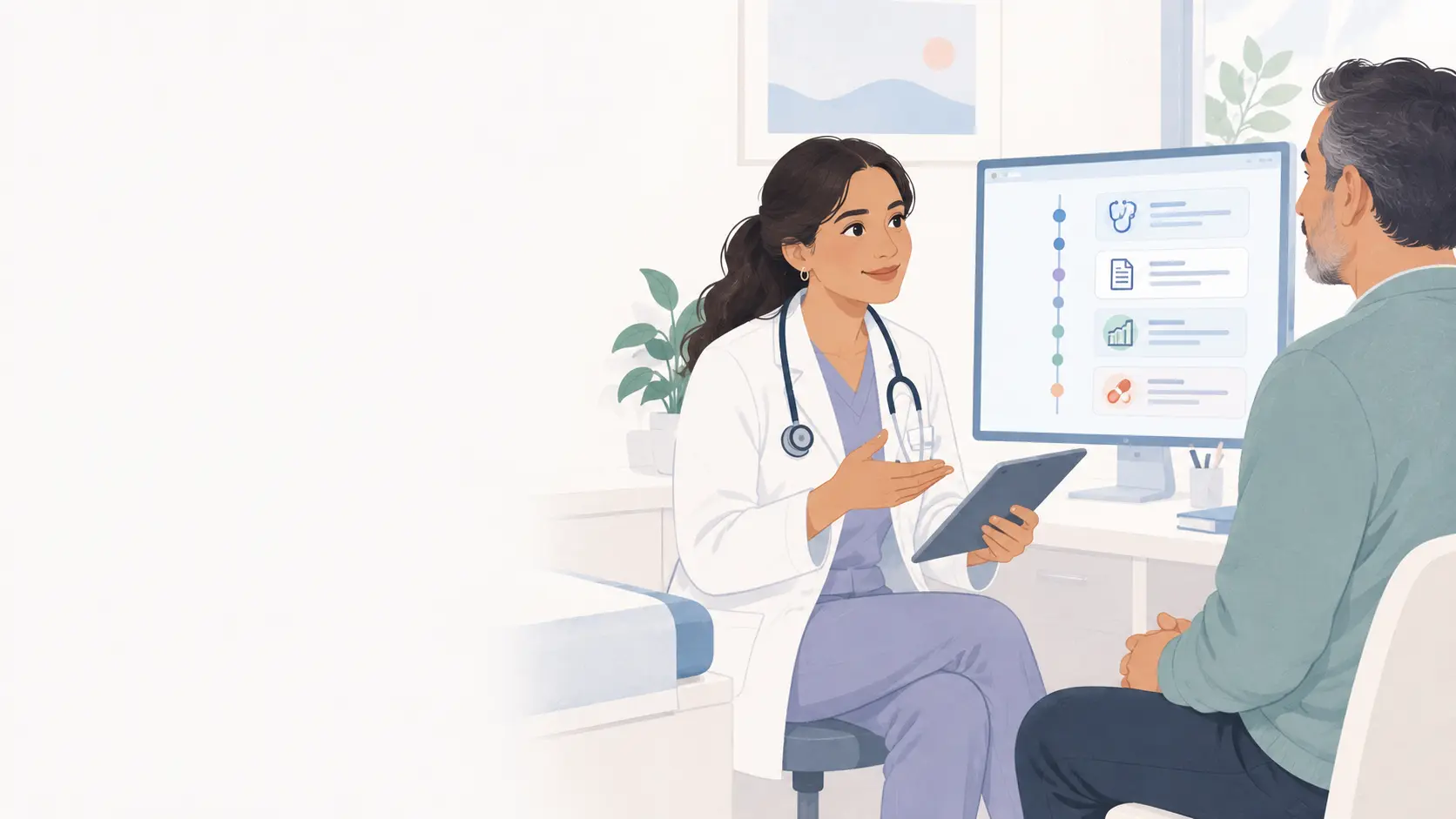
Internal medicine: how to document a consultation with multiple problems
.
How to organize active problems, treatments, outcomes, and pending tasks in internal medicine without losing priorities or continuity.
-
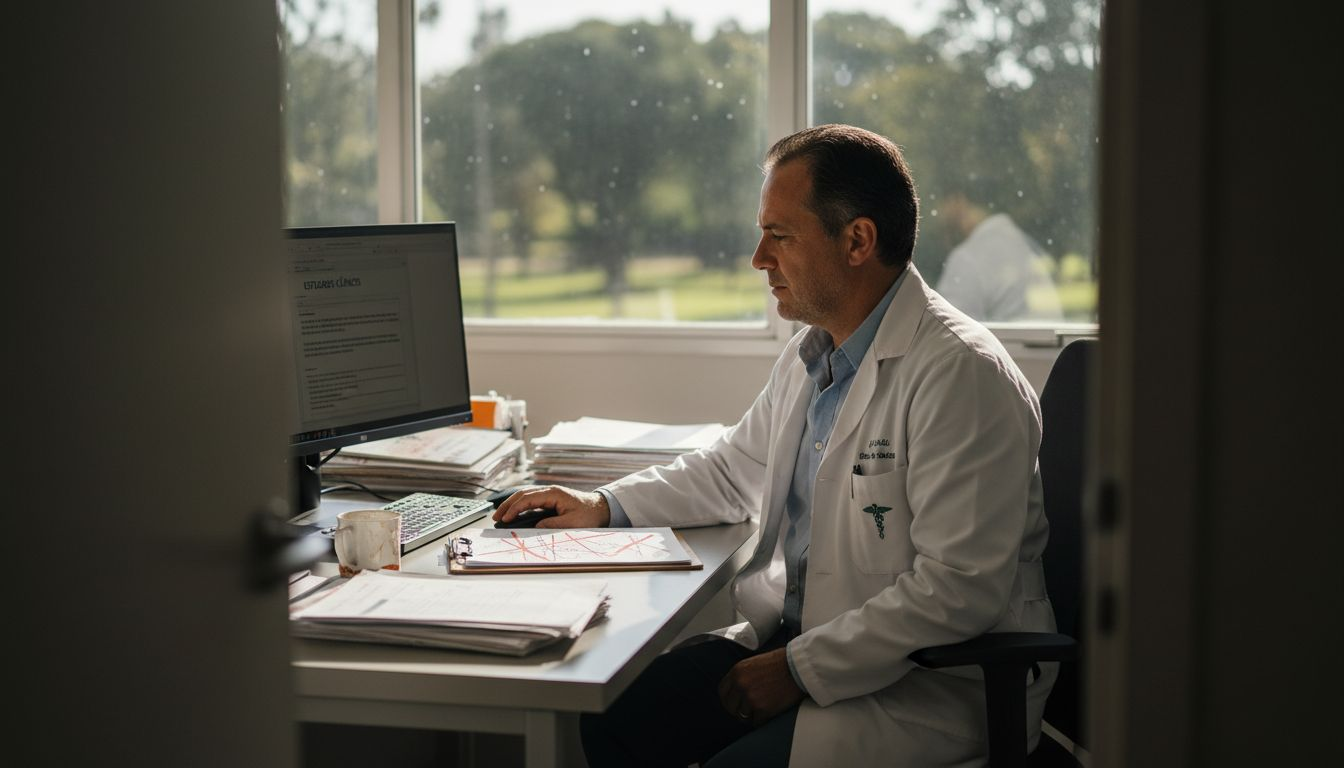

Medical Answer Retrieval: Improving Clinical Decision-Making
.
Search for medical answers: definition, types, effective tools, and risks. Discover their impact on clinical care and patient safety.
-

7 Key Differences of Medical AI in Private Clinics vs. Public Hospitals
.
Discover 7 key differences about medical AI in private clinics vs. public hospitals: two distinct realities in Latin America, with practical tips for professionals.