




Comprehensive geriatric assessment integrates medical problems, function, medications, environment, and the perspective of the patient and their caregiver.
The challenge is not to add more boxes, but to keep visible the priorities and changes that affect daily life and the continuity of care.
Geriatric assessment needs an integrated vision
Information can come from multiple people, documents, and professionals. In addition, a small change in mobility, reported cognition, diet, or support can modify the plan. The note must indicate the source and avoid assumptions.
The note gains value when it explains how problems relate to autonomy and daily life, not when it simply accumulates data.
Information worth keeping visible
A longitudinal assessment can maintain:
- Priorities expressed by the person and, where applicable, by the caregiver.
- Active problems and changes since the previous visit.
- Function, mobility, and activities described or evaluated.
- Medications used, changes, adherence, and reported effects.
- Environment, supports, barriers, and coordination with other professionals.
- Plan, responsibles, explained signals, and next controls.
A geriatric assessment is useful when it links medical problems, function, medications, reported cognition, environment, supports, and patient priorities. It should also show who provides each piece of data and how changes affect autonomy, daily safety, and shared decision-making.
A practical workflow before, during, and after
Before the appointment
Review active problems, medications, documents, and who will provide information. Identify the person's priority before converting the consultation into a list of domains.
During the meeting
Distinguish the patient's voice, the caregiver's voice, and the professional's findings. Document function with concrete examples and avoid inferring capacity from a single observation.
Upon closing and preparing the follow-up
Make it clear who will perform each action, what follow-up corresponds, and what information must reach other team members.
How Itaca can help
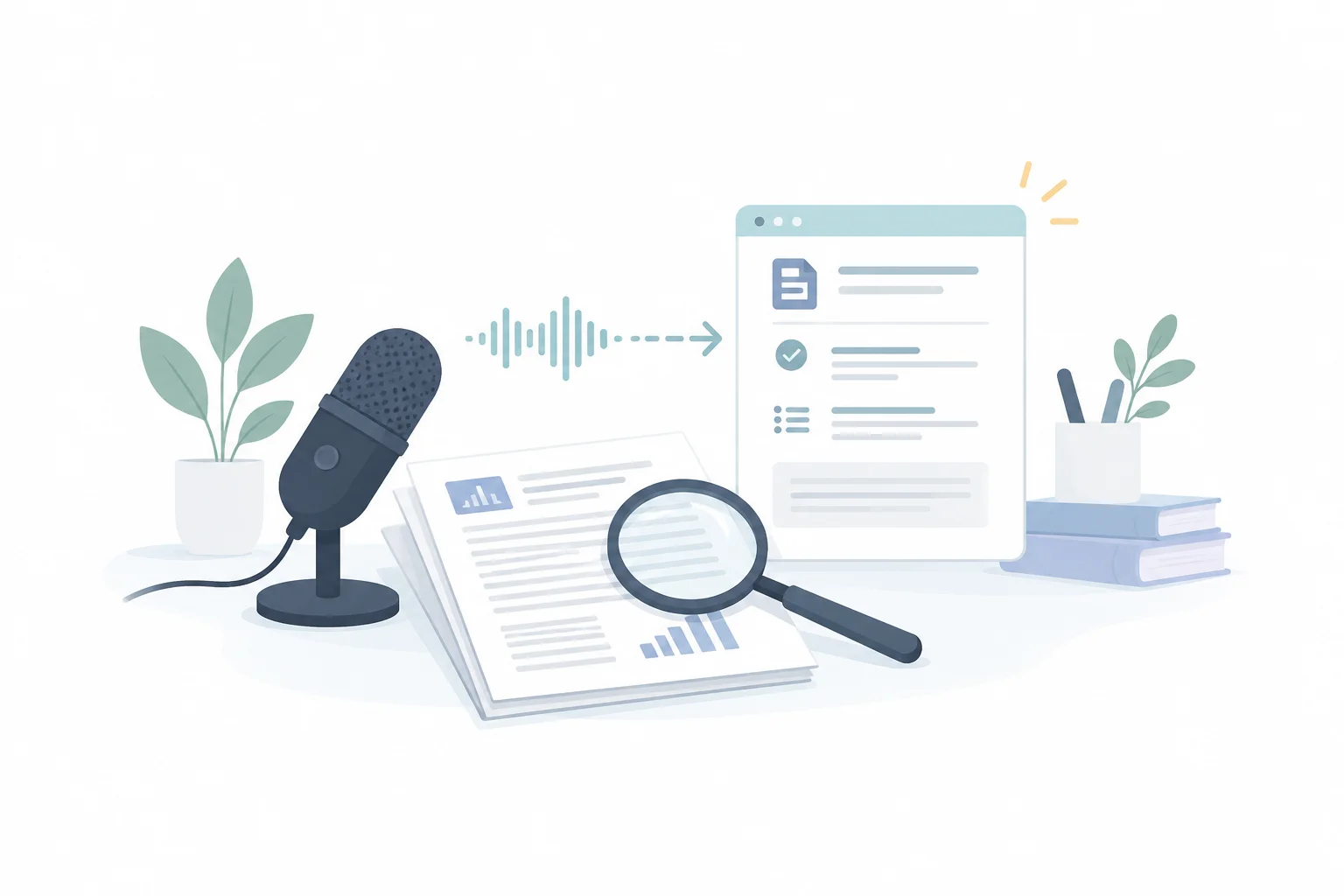
Itaca brings together the conversation with the patient and their caregiver, documents, and quick notes into an integrated draft. The clinical answers with sources and deep research help when the team needs to dive deeper into a topic.
Conversation, documents, and notes can be turned into an organized draft. Longitudinal context makes it easy to return to function, medications, supports, and pending items without displacing clinical assessment.
The draft brings together the different voices and indicates their origin. The geriatrician can prioritize, qualify the context, and leave a comprehensible synthesis for the team and the family.
Indicative structure for the note
A geriatric note may include:
- Person's motive and priorities.
- Source of information and caregiver context.
- Active problems and evolution.
- Function, mobility and environment.
- Medications and documented changes.
- Team evaluation and agreements.
- Plan, responsibilities, and monitoring.
Organize the assessment by domains and conclude with shared priorities; this way, the note retains a comprehensive view without becoming a list of scales.
Errors that make continuity difficult
- Allow the issue list to hide the person's priority.
- Mix patient and caregiver information without identifying the source.
- Register medications without confirming actual use.
- Describe function abstractly and without concrete activities.
- Leaving the plan without owners or coordination.
A useful geriatric history makes it possible to understand what matters, what has changed, and who continues each part of the care.
Example of continuity between queries
The initial assessment records priorities, source of information, function, mobility, medications used, available supports, and active problems.
The control compares specific activities, medication changes, and supports, and assigns responsible parties for studies, follow-up, and coordination.
Use the example to observe how a functional change alters priorities and how the support network remains connected to the next steps.
Frequently Asked Questions
How is the source of the information identified?
The note can distinguish between what was expressed by the person, what was provided by the caregiver, and what was observed or evaluated by the professional.
How to prevent the assessment from becoming a list of problems?
Relate function, medications, mobility, and supports to the person's priorities and the agreed-upon plan. Indicate changes compared to previous visits.
Can I keep the format that my query already uses?
Yes. You can create a template that combines problems, function, medications, mobility, support, preferences, and team tracking.
Connect this guide to your workflow
The page AI for geriatrics shows how to combine documentation, sourced answers, research, longitudinal context, and care-related documents. You can also review the clinical note templates and the guide for security and privacy.
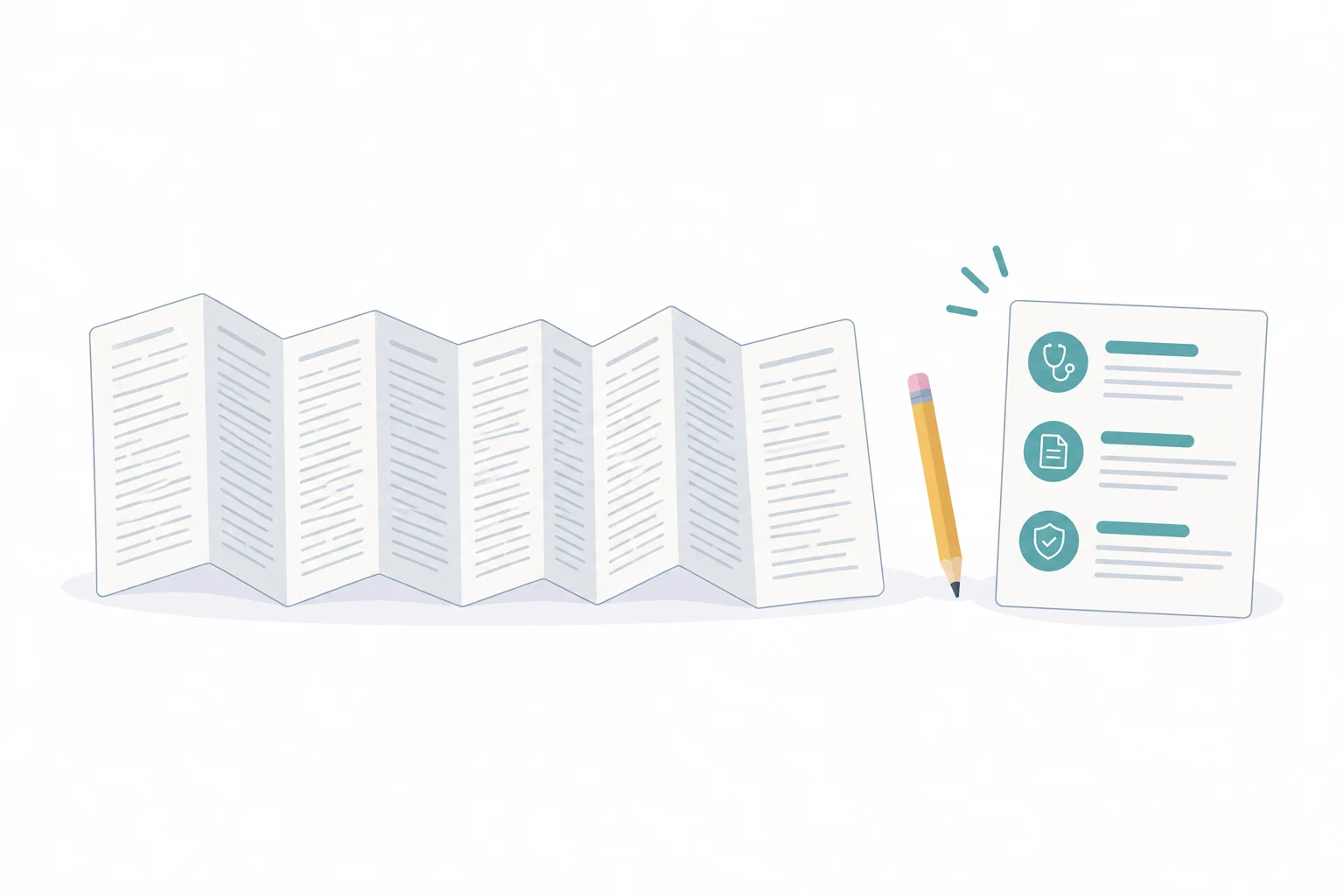
Prevent the evaluation from becoming a list
The domains of a geriatric assessment are useful when they help understand priorities and decisions. If recorded as disconnected sections, they can hide the relationship between a functional change, medication, the environment, and available support.
A brief summary at the end can bring together the issues affecting autonomy, the agreements made with the person and the caregiver, and the actions assigned to the team. That summary facilitates the next encounter without replacing the documented detail.


Leave a Reply